


Neurotechnology Advancements: Reshaping Brain Healthcare and Human–Machine Connectivity
Neurotechnology and Its Growing Impact on Brain Health
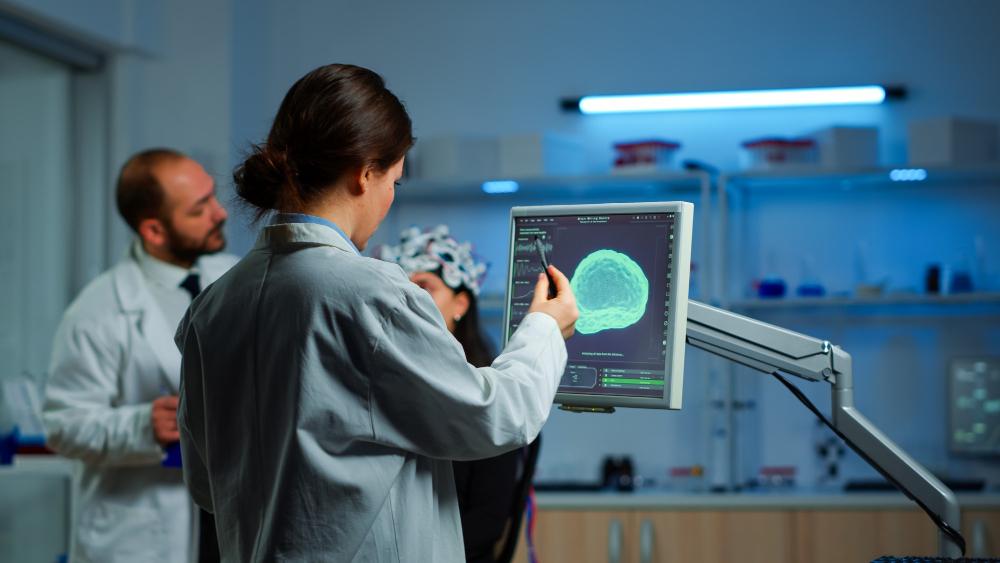
Neurotechnology is rapidly transforming modern healthcare by bringing together neuroscience, biomedical engineering, artificial intelligence (AI), and advanced medical technologies. This evolving field focuses on understanding, monitoring, and interacting with the human nervous system to improve neurological diagnosis, restore impaired functions, and enhance brain health. Increasing research activities and technological investments are accelerating neurotechnology device development, particularly in brain-computer interfaces (BCIs), neural implants, neurostimulation devices, and advanced brain-monitoring systems. These technologies are opening new possibilities for personalized neurological care and establishing innovative connections between human brain activity and digital platforms.
As neurological disorders become a significant healthcare concern worldwide, the demand for advanced diagnostic and therapeutic approaches continues to increase. Neurotechnology is emerging as an important area of research because it provides new opportunities to understand complex neurological processes and develop targeted interventions. Its expanding applications are expected to influence neurological treatment, rehabilitation, and long-term patient management.
Neurotechnology Applications in Neurological Diagnosis and Treatment
Neurotechnology includes various devices and techniques designed to record, analyze, stimulate, and modify neural activity. Common technologies include electroencephalography (EEG), functional magnetic resonance imaging (fMRI), transcranial magnetic stimulation (TMS), deep brain stimulation (DBS), and implantable neural interfaces. These technologies support neurological investigations, therapeutic procedures, cognitive assessments, and rehabilitation programs.
Conditions such as Parkinson's disease, epilepsy, Alzheimer's disease, stroke, and spinal cord injuries represent important areas where advanced neurological technologies may improve patient outcomes. Conventional treatment approaches do not always provide sufficient benefits for individuals with complex neurological conditions. Consequently, healthcare researchers are increasingly investigating technology-assisted interventions that offer improved monitoring, accurate neurological assessments, and targeted stimulation.
Neurotechnology can also support the identification of abnormal brain activity and help clinicians understand changes in neurological functioning. These capabilities may contribute to earlier diagnosis, individualized treatment strategies, and more effective disease management.
Neurotechnology and Brain-Computer Interface Developments
Brain-computer interfaces are among the most significant developments in the neurotechnology landscape. These systems establish communication between the human brain and external electronic devices by interpreting electrical signals generated through neural activity. BCIs can enable individuals to operate computers, robotic limbs, communication systems, and assistive equipment without relying entirely on conventional physical movements.
These technologies offer considerable potential for patients experiencing paralysis, severe motor disabilities, and communication impairments. By translating neural signals into digital commands, brain-computer interfaces may help individuals regain independence and perform activities that would otherwise be difficult or impossible.
Both invasive and non-invasive BCI systems are undergoing continuous development. Researchers are focusing on improving signal quality, device compatibility, processing efficiency, and long-term performance. Artificial intelligence is also supporting these developments by helping systems recognize neural patterns and translate brain signals into accurate commands. These improvements could make human-machine interaction more responsive, accessible, and reliable.
Neurotechnology Clinical Research and Emerging Therapeutic Applications
Expanding neurotechnology clinical research is creating opportunities to evaluate innovative neurological treatments and improve existing therapeutic approaches. Clinical investigations are examining neural implants, adaptive neurostimulation devices, and brain-computer interfaces for different neurological and psychiatric conditions.
Deep brain stimulation has become an established therapeutic option for managing certain movement disorders, particularly Parkinson's disease and essential tremor. This technique involves implanting electrodes into specific brain regions to deliver electrical impulses that regulate abnormal neural activity. Similarly, transcranial magnetic stimulation provides a non-invasive approach to influencing brain activity and is used in selected psychiatric and neurological applications, including treatment-resistant depression.
Another promising development involves closed-loop neurostimulation systems. Unlike conventional stimulation devices that deliver predefined electrical impulses, these systems monitor neural activity and adjust stimulation according to individual physiological signals. This approach could improve therapeutic precision, reduce unnecessary stimulation, and support personalized treatment management.
Continued clinical evaluation will remain important for determining the safety, effectiveness, and long-term benefits of these emerging technologies.
Artificial Intelligence and Neurotechnology Device Innovation
Artificial intelligence is becoming an essential component of neurotechnology device innovation. Machine learning algorithms can analyze complex neural signals, recognize patterns, and support the interpretation of neurological data. Integrating AI with advanced sensors and computational platforms may improve neurological monitoring, predictive analysis, and clinical decision-making.
Wearable neurotechnology devices are another emerging area of development. Portable EEG systems, wearable neural sensors, and digital rehabilitation platforms can potentially facilitate continuous neurological monitoring outside traditional healthcare facilities. These technologies may allow clinicians to assess patient progress, observe changes in brain activity, and adjust treatment strategies more efficiently.
Additionally, neurotechnology solutions are expanding beyond conventional medical applications. Their potential uses include education, gaming, communication, cognitive research, and workplace environments. However, collecting and processing neural information introduces important considerations involving data protection, individual consent, cybersecurity, and responsible technology deployment.
Neurotechnology Challenges and Emerging Market Opportunities
Despite significant technological progress, several challenges continue to influence neurotechnology development and commercialization. High research and manufacturing costs can limit accessibility, while complex regulatory pathways may delay product approvals and clinical adoption. Invasive neural devices also involve surgical considerations, including infection risks, tissue compatibility, and long-term implant performance.
Data privacy and ethical concerns represent additional challenges, particularly as devices become increasingly capable of collecting sensitive neurological information. Manufacturers and researchers must establish appropriate safeguards to ensure responsible data collection, storage, and usage.
Nevertheless, continued neurotechnology innovation is creating substantial opportunities for the healthcare and medical device industries. Partnerships among biotechnology companies, medical technology manufacturers, research institutions, and technology developers are supporting product development and the translation of scientific discoveries into practical applications.
Future Prospects of Neurotechnology in Brain Healthcare
The future of neurotechnology will be shaped by advancements in artificial intelligence, neural engineering, miniaturized electronics, and personalized neurological treatments. Emerging neurotechnology advancements could improve the accuracy of neurological monitoring, strengthen brain-computer communication, and expand treatment possibilities for individuals affected by neurological disorders.
Further improvements in implantable devices, wearable monitoring systems, and adaptive stimulation technologies may also support more accessible and efficient neurological care. As clinical evidence develops and regulatory frameworks evolve, these technologies could become increasingly integrated into rehabilitation programs, assistive communication, and routine brain health management.
Conclusion
Neurotechnology is creating new opportunities to understand the human brain, address neurological disorders, and restore impaired functions. The combination of advanced neural interfaces, brain stimulation, wearable devices, and artificial intelligence is transforming neurological research and patient care. Although financial, regulatory, technical, and ethical challenges remain, continued scientific progress and industry collaboration could accelerate the adoption of these technologies. Ultimately, neurotechnology has the potential to improve treatment precision, support patient independence, and establish new possibilities for brain healthcare and human-machine interaction.
Latest Reports by DelveInsight:
treatment of uc, current state of nanorobotics in medicine 2026, healthcare speech recognition, pd1 inhibitor, what is benjamin button disease, amyotrophic lateral sclerosis market, uc medications, hutchinson-gilford progeria, medical device manufacturing, pulmonary fibrosis life expectancy, cardiac rhythm management companies, ai pathology news, ulcerative colitis clinical trial results august 2026, anticoagulation therapy, sanfilippo mps iii, myopia market, fibroblast growth factors, medications colitis, topical genital warts treatment, benjamin buttons disease
About DelveInsight
DelveInsight is a leading Business Consulting and Market Research firm dedicated to the life sciences sector. It supports Pharma companies with comprehensive end-to-end solutions designed to enhance business performance. It also provides Healthcare Consulting Services that enable effective market analysis, accelerate business growth, and help organizations overcome challenges through a practical and strategic approach.
Media Contact
Company Name: DelveInsight Business Research LLP
Contact Person: Abhishek kumar
Email: info@delveinsight.com
City: Albany
State: New York
Country: United States
Website: https://www.delveinsight.com

 English
 French
 Spanish
 Portuguese
 Deutsch
 Turkish
 Dutch
 Italiano
 Russian
 Romaian
 Portuguese (Brazil)
 Greek