


Vascular Melasma and Laser Treatment in Dubai
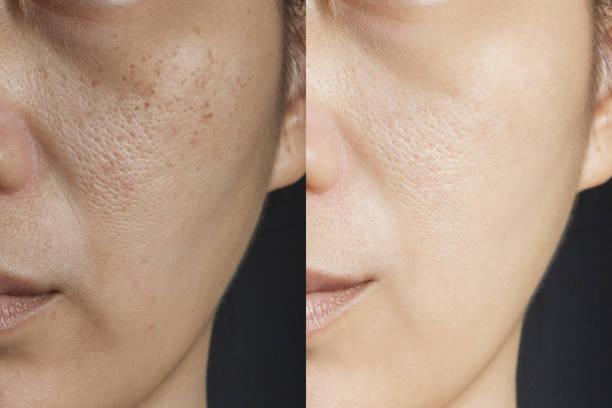
Melasma is often described as a pigmentation condition, but its appearance may involve more than melanin alone. Some patients also show visible small blood vessels, redness, or vascular changes within affected areas. These features have encouraged research into the relationship between blood vessels and pigment-producing cells. For selected patients, Melasma Treatment in Dubai may therefore involve assessing both pigmentary and vascular characteristics before deciding whether a combined treatment approach is appropriate.
The presence of redness or visible vessels does not automatically mean that a patient needs vascular laser treatment. Melasma is complex, and vascular-directed procedures are not a universal standard for every case. Accurate diagnosis and careful evaluation are essential, particularly because unnecessary inflammation can worsen pigmentation.
Understanding the Vascular Component of Melasma Treatment in Dubai
Melasma is associated with increased melanin production, but research has also identified changes in the vascular environment of affected skin.
Some patients have visible redness or small dilated blood vessels, known as telangiectasia. These findings may occur alongside pigmentation, although they are not present in every case.
What Are Telangiectasia?
Telangiectasia refers to small, widened blood vessels that become visible near the skin surface. They may appear as fine red, pink, or purple lines.
On the face, they can be associated with several conditions, including:
-
Rosacea
-
Chronic sun exposure
-
Skin ageing
-
Certain inflammatory skin disorders
-
Previous topical corticosteroid use
-
Other vascular or dermatological conditions
Their presence in a patient with melasma should be assessed rather than automatically attributed to the pigmentation disorder.
How Blood Vessels May Interact With Pigment-Producing Cells
Research suggests that vascular changes and melanocyte activity may influence one another through signalling pathways.
Certain growth factors and inflammatory mediators associated with blood vessels may also interact with pigment-related processes.
This helps explain why some melasma lesions display vascular features. However, the relationship is complex, and visible blood vessels do not prove that vascular activity is the main cause of an individual's pigmentation.
Why a Combined Assessment Matters
A patient may have melasma, facial redness, telangiectasia, or more than one condition at the same time. Treating every feature as pigmentation can lead to an unsuitable treatment choice.
A dermatologist may assess:
-
Colour and distribution of the patches
-
Presence of visible superficial vessels
-
Background facial redness
-
Skin sensitivity and inflammation
-
Previous response to pigmentation procedures
-
History of rosacea or topical medication use
-
Skin type and risk of post-inflammatory hyperpigmentation
This assessment helps determine whether the primary concern is pigment, vascular change, or a combination.
Dual-Wavelength Technology and Vascular Treatment
Different laser wavelengths interact with different structures in the skin. Some systems are designed to target pigment, while others may be used for selected vascular concerns.
Dual-wavelength platforms can offer more than one treatment capability, but the presence of two wavelengths does not automatically make a device suitable for every melasma patient.
Understanding Different Treatment Targets
A pigment-directed wavelength may be selected to interact with melanin under specific clinical circumstances. A vascular-directed wavelength may be intended to target haemoglobin within blood vessels.
The two targets are different, and their treatment considerations should not be confused.
A dermatologist must determine whether either target is relevant to the patient's condition.
Why Device Selection Is Not One-Size-Fits-All
Laser systems differ in their wavelength characteristics, pulse delivery, intended indications, and interaction with skin tissue.
A device used for facial vessels may not be appropriate for melasma pigmentation. Similarly, a pigment-targeting treatment may not address visible telangiectasia.
The clinician should select a treatment based on the diagnosis and device-specific training, not simply because a platform offers multiple wavelengths.
When Vascular-Directed Treatment May Be Considered
Vascular treatment may be discussed when visible vessels or persistent redness are confirmed and are considered appropriate targets.
However, vascular-directed treatment is not a routine requirement for melasma. It may be unsuitable for patients whose main concern is pigmentation without a meaningful vascular component.
Assessing Redness and Visible Vessels
The dermatologist may distinguish between temporary flushing, persistent background redness, and individual telangiectatic vessels.
These findings can have different causes and may require different management.
A patient with rosacea, for example, may need a separate treatment plan rather than assuming that all facial redness is related to melasma.
Considering Pigmentation Risk
In patients with darker skin tones, vascular procedures require careful consideration of the surrounding skin's response.
Potential risks include inflammation, temporary swelling, bruising, blistering, and post-inflammatory hyperpigmentation. The exact risk depends on the device, treatment indication, and individual skin characteristics.
Combining Pigment and Vascular Management
For selected patients, a dermatologist may consider treating different components of the skin concern within a broader management strategy.
The sequence and suitability of procedures should be individualised. It is not always appropriate to treat pigment and visible vessels during the same appointment.
Prioritising the Main Clinical Concern
If pigmentation is the primary issue, the clinician may focus on established melasma management approaches such as photoprotection and suitable topical treatment.
If visible vessels or persistent redness are also present, they can be evaluated separately.
Avoiding Excessive Treatment
Combining procedures does not necessarily improve results. Each additional treatment may create inflammation, and excessive intervention can increase the risk of pigmentary complications.
A cautious plan may include observation, staged treatment, or non-procedural management when appropriate.
Comparing Pigment and Vascular Treatment Approaches
| Clinical concern | Potential treatment focus | Important consideration |
|---|---|---|
| Epidermal pigmentation | Selected topical treatments or carefully considered procedures | Avoid excessive irritation |
| Deeper or mixed pigmentation | Individualised dermatological management | Response can be less predictable |
| Visible telangiectasia | Selected vascular-directed treatment | Confirm the vessel diagnosis |
| Persistent facial redness | Assessment for rosacea or other causes | Redness is not always melasma |
| Mixed pigment and vascular features | Combined or staged approach in selected cases | Balance benefits against inflammation risk |
Why Photoprotection Remains Essential
Even when vascular features are present, photoprotection remains a foundation of melasma management.
UV exposure can stimulate pigmentation, while visible light may also contribute to persistent darkening.
Patients may benefit from:
-
Broad-spectrum sunscreen
-
Tinted formulations containing iron oxides when suitable
-
Wide-brimmed hats
-
Shade during intense sunlight
-
Gentle skincare that avoids unnecessary irritation
A vascular procedure does not remove the need for these measures.
Clinic Note
The vascular component of melasma is an area of ongoing research. Visible telangiectasia or redness may coexist with pigmentation, but vascular treatment is not automatically necessary. A dermatologist should confirm the source of redness, identify the main treatment target, and consider the risk of inflammation before recommending any laser procedure.
Frequently Asked Questions
Does melasma involve blood vessels?
Some melasma-affected skin shows vascular changes or increased visible redness. However, these features vary and are not present in every patient.
Can vascular laser treatment remove melasma?
Vascular-directed laser treatment is intended to target blood vessels, not melanin directly. It is not a standalone treatment for melasma and is only considered when a relevant vascular concern is identified.
What is telangiectasia?
Telangiectasia describes small dilated blood vessels visible near the skin surface. They can appear as fine red or purple lines on the face.
Is dual-wavelength laser treatment suitable for everyone with melasma?
No. Device suitability depends on the diagnosis, skin type, treatment objective, and individual risk factors. Having access to multiple wavelengths does not mean every patient needs both.
Can treating facial redness worsen pigmentation?
Procedures can cause inflammation, and inflammation may trigger post-inflammatory hyperpigmentation in susceptible skin. A clinician should assess the risks before treatment.
Comprehensive Skin Assessment at Tajmeels Clinic
Melasma can involve several interacting features, and visible redness should not automatically be treated as part of the pigmentation itself. At Tajmeels Clinic, patients considering Melasma Treatment in Dubai can discuss their skin concerns, visible vessels, previous procedures, and suitable treatment options during an individual assessment.
A diagnosis-led approach helps ensure that pigmentary and vascular concerns are evaluated separately before a treatment plan is selected.

 English
 Arabic
 French
 Spanish
 Portuguese
 Turkish
 Dutch
 Italiano
 Russian
 Romaian
 Portuguese (Brazil)
 Greek