


Secure Shipping Boston: High-Value Biotech & Cargo Guide
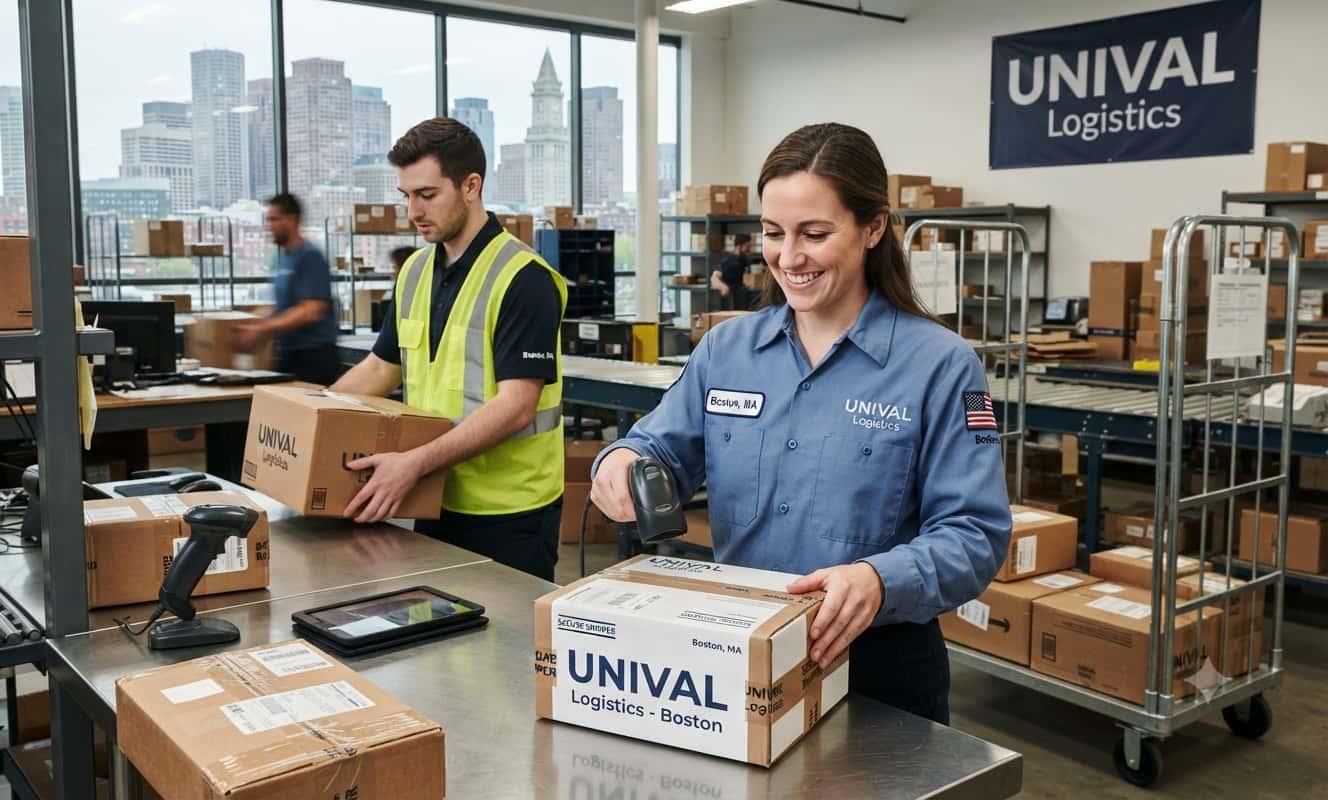
Summary: Boston is a major center for biotechnology, life sciences, healthcare, and scientific research. These industries regularly depend on valuable laboratory instruments, diagnostic equipment, electronics, and specialized supplies. Secure transportation requires a clear understanding of cargo value, handling requirements, packaging standards, carrier restrictions, and insurance conditions. This guide explains how businesses can prepare high-value shipments, reduce transit risks, and make informed logistics decisions with guidance from UNIVAL Logistics.
Overview: Moving high-value biotech and commercial cargo involves several risks that ordinary parcel shipping arrangements may not adequately address. Equipment can be damaged by impact, vibration, moisture, temperature changes, or improper handling. Shipments may also face delays, misrouting, theft, or documentation problems. Businesses should evaluate each shipment individually and select transportation arrangements that match its value, sensitivity, and delivery requirements. UNIVAL Logistics helps businesses understand these considerations and plan more carefully before shipping valuable goods.
Key Takeaways:
-
Assess cargo value, sensitivity, and transportation risks before dispatch.
-
Use packaging designed for the equipment and its handling requirements.
-
Check carrier restrictions and insurance conditions before booking.
-
Use tracking and delivery confirmation to improve shipment visibility.
-
Prepare accurate shipping documents and maintain proof of value.
-
Coordinate collection and delivery to reduce unnecessary handling.
-
Contact UNIVAL Logistics for guidance on high-value shipping requirements.
Quick Answer: Secure shipping Boston involves selecting suitable transportation, protective packaging, shipment tracking, accurate documentation, and appropriate insurance for valuable biotech equipment and sensitive cargo.
Boston has a strong biotechnology, healthcare, and scientific research sector. Businesses in these industries regularly move valuable laboratory instruments, diagnostic equipment, research devices, electronic components, and specialized commercial supplies. These shipments often require more careful planning than standard parcels because damage, loss, or delays can affect budgets, research schedules, and business operations.
A reliable shipping plan should begin before the package leaves the facility. Businesses need to understand the value of the goods, identify possible transit risks, select suitable packaging, and confirm the carrier's service conditions. Insurance and delivery documentation are also important parts of the process.
This guide explains how businesses can approach secure shipping Boston requirements and protect valuable cargo throughout the transportation process. UNIVAL Logistics provides practical guidance to help businesses assess their shipping needs and make informed decisions about high-value cargo protection.
Why High-Value Biotech Cargo Needs Special Shipping Care
Biotechnology and laboratory shipments can contain expensive or sensitive equipment. Examples include analytical instruments, microscopes, testing devices, laboratory computers, diagnostic systems, and precision components. Some items are fragile, while others may be sensitive to temperature, vibration, static electricity, or moisture.
A damaged instrument can create more than a replacement expense. It may interrupt testing, delay research, affect scheduled work, or require additional calibration before returning to service. For businesses working with valuable scientific equipment, careful transportation planning is therefore an operational requirement.
High-value shipments can also attract unwanted attention if their contents or declared value are visible. Businesses should avoid unnecessary exposure of shipment details and use appropriate collection, handling, and delivery procedures.
The right shipping plan depends on the specific cargo. A boxed electronic instrument may need shock protection and anti-static materials, while temperature-sensitive research materials may require validated packaging and a specialist transportation provider. These requirements should be identified before booking.
Common Risks When Shipping Biotech and High-Value Cargo
Understanding potential problems helps businesses select suitable safeguards. Not every shipment faces the same risks, but several issues deserve attention.
Physical Damage During Transit
Laboratory instruments and precision equipment may contain delicate internal components. Sudden impacts, rough handling, vibration, or pressure from other packages can cause damage. Even when the outer carton appears intact, internal components may have shifted or become misaligned.
Businesses should use packaging designed for the item's weight, shape, fragility, and manufacturer instructions. Heavy equipment may require a reinforced container, custom foam inserts, or a suitable shipping crate.
Temperature and Environmental Exposure
Some biotechnology-related goods require controlled environmental conditions. Temperature fluctuations, humidity, and exposure to unsuitable conditions can affect certain materials and products.
Before shipping, confirm the manufacturer's storage and transportation requirements. If a shipment needs temperature-controlled handling, use a qualified provider that can support the required temperature range, monitoring, and documented handling procedures. Standard parcel insurance does not automatically cover every type of temperature-related loss.
Theft, Loss, and Misrouting
Valuable equipment and compact electronic devices can be vulnerable to theft or misrouting. A shipment may also be delayed when its label is damaged, its address is incomplete, or its documentation is inaccurate.
Businesses can reduce these risks by using appropriate tracking services, limiting unnecessary handling, confirming delivery details, and keeping shipment records. For especially valuable goods, consider whether additional security arrangements or a dedicated transportation service are necessary.
Delays and Delivery Disruptions
A delayed shipment can affect laboratory schedules, equipment installation, or business commitments. Weather, traffic, operational disruptions, customs procedures, and incomplete paperwork may all affect delivery.
Build reasonable time into the shipping plan. Confirm collection windows, delivery access, recipient availability, and any special receiving requirements before dispatch.
How to Prepare Biotech Equipment for Secure Shipping Boston
Preparation is one of the most important parts of high-value cargo protection. A suitable carrier cannot eliminate every risk created by poor packaging or incomplete documentation.
1. Assess the Equipment Before Packing
Start by identifying the equipment's dimensions, weight, replacement value, fragility, and handling requirements. Review the manufacturer's instructions for packing, storage, and transportation.
Remove detachable components when the manufacturer recommends doing so. Secure moving parts and protect exposed connectors, screens, and sensitive surfaces. Photograph the equipment from several angles before packing. These photographs can help document its condition if a damage claim becomes necessary.
2. Select Appropriate Protective Packaging
Choose packaging based on the equipment rather than relying on a standard box for every shipment. Strong outer cartons, custom foam inserts, cushioning materials, and reinforced containers can help protect against movement and impact.
For electronic and laboratory equipment, consider anti-static protection where appropriate. Moisture barriers may also be necessary for certain goods. Heavy or unusually shaped instruments may need a purpose-built crate or palletized packaging.
The packaging should prevent the item from moving freely inside the container. It should also withstand the expected handling conditions without creating unnecessary pressure on delicate components.
3. Label and Document the Shipment Correctly
Use clear shipping labels and accurate recipient information. Include any necessary handling instructions, but avoid displaying sensitive commercial information unnecessarily.
Prepare a packing list and retain invoices, purchase records, serial numbers, and proof of value. If the shipment contains regulated, restricted, or specially controlled materials, confirm the applicable documentation and transportation requirements before booking.
4. Confirm Collection and Delivery Arrangements
Plan the collection and receiving process in advance. Confirm that the sender can release the shipment at the agreed time and that the recipient has the equipment and personnel needed to receive it.
For large or delicate instruments, check whether the delivery location has suitable access, unloading facilities, and space for safe handling. Clear coordination can prevent avoidable delays and repeated handling.
Choosing a Suitable Carrier for High-Value Cargo
The cheapest or fastest delivery option is not automatically the best choice for valuable biotech equipment. Businesses should compare services based on the actual needs of the shipment.
Consider the following factors before making a booking:
-
Cargo eligibility: Confirm that the carrier accepts the specific equipment or materials being shipped.
-
Declared value limits: Check the maximum value that can be declared for the selected service.
-
Handling requirements: Ask whether the service can accommodate fragile, heavy, or specially packaged cargo.
-
Tracking options: Confirm what tracking information and delivery notifications are available.
-
Delivery arrangements: Check collection windows, delivery confirmation, and any signature requirements.
-
Claims conditions: Review the evidence, reporting deadlines, and exclusions that apply if something goes wrong.
Businesses should also ask whether the selected service provides ordinary parcel transportation or a specialized handling arrangement. These services are not interchangeable. A standard parcel carrier may be suitable for some packaged instruments, while sensitive or unusually valuable cargo may require a specialist provider.
UNIVAL Logistics can help businesses consider the shipping requirements that matter when arranging high-value cargo transportation. Confirm the availability and terms of any specific service before booking.
Shipping Insurance for Biotech Equipment and Valuable Cargo
Shipping insurance can help protect a business against eligible financial losses during transportation. However, coverage should never be assumed simply because a shipment has a tracking number or a declared value.
Carriers and insurance providers may apply different limits, exclusions, and claim requirements. Some goods may be restricted or excluded, including certain scientific materials, temperature-sensitive products, fragile equipment, or items requiring specialist handling.
What Should Businesses Check Before Buying Coverage?
First, confirm how the insured or declared value is calculated. The applicable basis may depend on the policy or carrier terms and could require invoices, purchase records, or other proof of value.
Next, review the coverage period. Determine when protection begins and ends, and whether it applies during collection, sorting, temporary storage, and final delivery. Check whether the policy covers physical damage, theft, loss, or only selected events.
Pay close attention to exclusions. Inadequate packaging, prohibited contents, improper declarations, unattended deliveries, and certain types of environmental damage may affect coverage. Temperature-related losses may require specific protection and documented monitoring.
Documents to Keep for Insurance Claims
Maintain a clear record of the shipment before it leaves the facility. Useful documents may include:
-
Original purchase invoice or other proof of value.
-
Packing list and equipment description.
-
Photographs showing the item's condition before dispatch.
-
Packaging photographs taken before the container is closed.
-
Shipping receipt and tracking information.
-
Delivery confirmation and any damage report.
-
Repair estimates or replacement documentation, where applicable.
If a shipment arrives damaged, document the condition immediately. Keep the packaging and report the issue within the carrier's or insurer's stated deadline. Following the correct claim process can help avoid unnecessary complications.
UNIVAL Logistics encourages businesses to review insurance terms before dispatch rather than waiting until a loss occurs.
Secure Shipping Boston: Tracking and Shipment Visibility
Tracking helps businesses monitor shipment progress and identify possible delays. For valuable biotech cargo, visibility is especially important when equipment is needed for a scheduled installation, laboratory procedure, or research activity.
Choose a service that provides tracking information appropriate to the shipment's value and urgency. Where available, use delivery notifications and signature confirmation. For specialized transportation, ask whether additional monitoring or documented custody procedures can be arranged.
Businesses should also maintain an internal shipment record. Record the collection date, tracking number, shipment value, recipient details, and expected delivery date. Assign responsibility for monitoring the shipment and responding to exceptions.
For particularly sensitive shipments, confirm who is authorized to receive the cargo. A clear handover process can reduce confusion and help establish when the package was delivered.
Specialized Considerations for Biotechnology and Laboratory Shipments
Not every biotech shipment can travel through an ordinary parcel network. The contents may determine whether special packaging, permits, temperature control, or regulated transportation procedures are required.
Temperature-Sensitive Materials
Some biological materials, reagents, and laboratory products need specific temperature ranges. Their packaging may require validated insulation, refrigerants, temperature indicators, or continuous monitoring.
Before booking, confirm the required temperature range, maximum transit time, packaging validation, and procedures for delays. A carrier's general promise of careful handling does not prove that it can maintain a particular temperature.
Diagnostic and Laboratory Instruments
Diagnostic machines and analytical instruments may be expensive, fragile, and difficult to replace. Follow manufacturer instructions for shutdown, cleaning, securing internal parts, and preparing accessories.
Include the correct accessories and documentation, and protect screens, control panels, and exposed components. If the instrument requires specialist installation or calibration after delivery, coordinate those arrangements before dispatch.
Regulated or Restricted Materials
Certain biological substances, chemicals, samples, and research materials may be subject to transportation rules. Requirements can depend on the material classification, quantity, packaging, route, and destination.
Do not assume that a general logistics provider can accept every laboratory material. Confirm the applicable classification and use a properly qualified service where required. UNIVAL Logistics can help businesses identify questions to address when evaluating shipping arrangements, but specialized or regulated shipments must be confirmed with an appropriately authorized provider.
How to Reduce Shipping Costs Without Compromising Cargo Protection
High-value shipping costs depend on more than the distance between the sender and recipient. Package weight, dimensions, declared value, service speed, special handling, and insurance requirements can all affect the final price.
Businesses should compare the complete cost of a shipping arrangement rather than choosing solely on the advertised transportation rate. A low base price may not include insurance, special packaging, collection arrangements, or additional handling.
Main Cost Factors
-
Transportation charges: Depend on shipment weight, dimensions, route, service level, and delivery speed.
-
Protective packaging: Custom foam, reinforced cartons, anti-static materials, crates, and pallets may add preparation costs.
-
Insurance or declared value charges: Depend on the value being protected, eligibility, provider terms, and applicable rates.
-
Special handling: Fragile, oversized, temperature-controlled, or otherwise sensitive cargo may require additional services.
-
Collection and delivery: Special pickup windows, limited-access locations, and scheduled delivery arrangements can affect charges.
-
Documentation and compliance: Certain regulated shipments may require specialist preparation, packaging, or documentation.
How to Request an Accurate Shipping Quote
Provide the shipment's dimensions, weight, collection and delivery details, cargo description, and accurate value. Explain whether the equipment is fragile, temperature-sensitive, or subject to special handling requirements.
Ask for a clear breakdown of transportation, packaging, insurance, and additional service charges. Confirm whether the quoted service accepts the cargo and whether the stated coverage applies to its contents.
UNIVAL Logistics can help businesses understand the information needed to evaluate high-value shipping requirements and request an appropriate quote. Contact UNIVAL Logistics for the latest and most accurate pricing based on your shipment details.
Important Disclaimer
All cost prices and charges discussed in this guide are baseline estimates of potential shipping expenses and may vary because of market fluctuations, supplier changes, carrier pricing updates, shipment dimensions, declared value, and variable logistics fees. Actual rates and service availability depend on the shipment's contents, route, handling requirements, and applicable terms. Contact UNIVAL Logistics for the latest and most accurate prices before arranging transportation.
A Practical Checklist Before Dispatch
Before releasing valuable biotech equipment or commercial cargo, review the shipment from preparation through delivery. Confirm that the goods are eligible for the selected service, packaging meets their handling requirements, and the declared value is accurate. Check insurance conditions, retain proof of value, and verify the recipient's details.
Make sure the collection and delivery arrangements are clear. If the shipment requires temperature control, specialist handling, or regulatory documentation, confirm those requirements with the appropriate provider before dispatch.
A short review can help identify problems while there is still time to correct them. This is particularly important for equipment that is expensive, difficult to replace, or essential to a scheduled business operation.
Why Work with UNIVAL Logistics?
High-value cargo requires a thoughtful approach to transportation, packaging, documentation, and risk management. Businesses should have a clear understanding of what they are shipping, how it needs to be handled, and what protection is available if a problem occurs.
UNIVAL Logistics helps businesses explore practical shipping considerations and understand the information needed to plan valuable shipments. From assessing cargo details to reviewing declared value and insurance questions, careful preparation can support better logistics decisions.
Every shipment should be evaluated according to its own requirements. Confirm service availability, cargo eligibility, insurance terms, and handling capabilities before making a booking. This helps businesses select an arrangement that matches the value and sensitivity of their goods.
Final Thoughts
Shipping valuable biotechnology equipment and sensitive commercial cargo requires more than a routine parcel booking. Businesses need to consider packaging, environmental conditions, carrier restrictions, insurance, tracking, and delivery coordination. Each detail contributes to a more controlled shipping process.
For Boston businesses, a well-prepared shipment can help reduce avoidable damage, delays, and financial exposure. By documenting cargo condition, checking coverage, and selecting a suitable transportation arrangement, organizations can protect valuable equipment and maintain greater confidence in their logistics operations.
UNIVAL Logistics encourages businesses to assess each shipment before dispatch and confirm that the selected service meets its specific requirements. Careful planning is an important step toward protecting valuable cargo.
Frequently Asked Questions
1. What is secure shipping for high-value biotech equipment?
Secure shipping involves planning transportation around the value, fragility, and handling requirements of the equipment. It may include protective packaging, suitable carrier selection, tracking, delivery confirmation, accurate documentation, and appropriate insurance.
2. How can I protect laboratory equipment during shipping?
Follow the manufacturer's packing instructions, secure detachable parts, use suitable cushioning, and select a strong outer container. Photograph the equipment before packing and keep records of its condition and value. For delicate instruments, consider custom packaging or specialist handling.
3. Is shipping insurance available for biotech equipment?
Coverage may be available, but eligibility depends on the carrier, insurer, equipment type, declared value, and policy conditions. Review exclusions and claim requirements before dispatch. Do not assume that all laboratory equipment or sensitive materials are automatically covered.
4. Does standard shipping insurance cover temperature-sensitive materials?
Not necessarily. Temperature-related damage may be excluded or subject to specific conditions. Confirm whether the policy covers temperature deviations and whether monitoring records or validated packaging are required.
5. What documents are needed when shipping high-value cargo?
Common records include a commercial invoice, packing list, proof of value, equipment description, serial numbers, shipping receipt, and photographs. Regulated materials may require additional documentation depending on their classification and destination.
6. How can businesses reduce the risk of cargo theft?
Use appropriate packaging, avoid unnecessary exposure of shipment details, select suitable tracking and delivery confirmation options, and verify the recipient's identity or receiving procedure. Consider additional security arrangements when the cargo value or risk profile requires them.
7. How much does high-value shipping in Boston cost?
The price depends on package dimensions, weight, route, delivery speed, cargo value, packaging, insurance, and special handling requirements. Request a shipment-specific quote to understand the complete cost before booking.
8. Can temperature-controlled biotech materials use ordinary parcel shipping?
Some materials may be suitable for approved parcel services, but others require validated packaging, temperature monitoring, specialist handling, or regulated transportation. Confirm the material's requirements and carrier acceptance before shipping.
9. Why is tracking important for valuable equipment?
Tracking helps businesses monitor shipment progress, identify delays, and confirm delivery. It also supports internal recordkeeping and can provide useful evidence when investigating a missing or delayed shipment.
10. How can UNIVAL Logistics help with high-value shipping?
UNIVAL Logistics can help businesses understand important shipping considerations, including cargo details, declared value, packaging, insurance questions, and transportation planning. Confirm the availability and terms of the required service before arranging a shipment.

 English
 Arabic
 French
 Spanish
 Portuguese
 Deutsch
 Turkish
 Dutch
 Italiano
 Russian
 Portuguese (Brazil)
 Greek