


Full Heating System Installation Sheffield: First Fix and Second Fix Explained
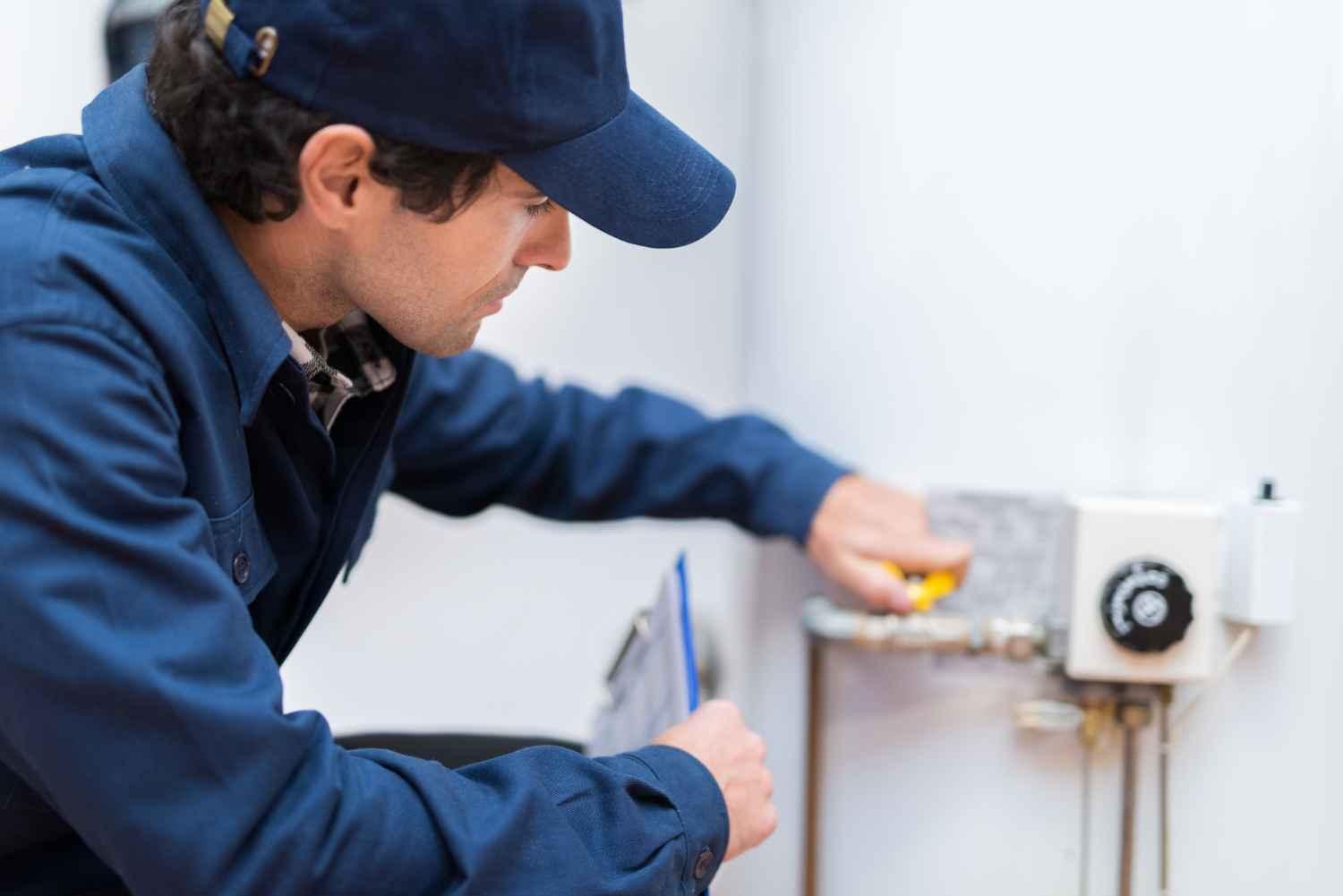
If you are renovating a home, building an extension or carrying out a major refurbishment, you may hear your builder or heating engineer talk about "first fix" and "second fix". These terms describe the two main stages of installing services such as heating, plumbing and electrics, and they have a big impact on how smoothly a project runs.
Understanding how a heating installation fits around other building work helps you plan better, avoid costly mistakes and end up with a neat, reliable system. This guide explains what happens at each stage, how heating fits into a wider renovation and what to plan for when arranging full heating system installation Sheffield work as part of a larger project.
What Is First Fix?
First fix is the stage where the hidden parts of the heating system are installed, before walls are plastered and floors are laid. At this point, the property is usually stripped back, with open stud walls, exposed joists and bare floors.
Typical First Fix Heating Work
- Running pipework from the boiler location to every radiator position.
- Installing underfloor heating pipes and manifolds where required.
- Running gas pipework to the boiler position.
- Preparing the flue route and any openings in walls or roofs.
- Fitting pipe connections for the hot water cylinder, if one is planned.
- Installing cable routes for thermostats, controls and wiring centres.
- Pressure testing pipework to check for leaks before it is hidden.
Getting first fix right is essential, because once walls and floors are closed up, changes become much harder and more disruptive.
What Is Second Fix?
Second fix happens after plastering, flooring and most decorating are complete. This is when the visible parts of the system are installed and connected.
Typical Second Fix Heating Work
- Mounting the boiler and connecting it to gas, water and heating pipework.
- Fitting radiators and their valves.
- Connecting towel rails in bathrooms.
- Installing the hot water cylinder, if needed.
- Fitting thermostats and controls.
- Filling, flushing and adding inhibitor to the system.
- Commissioning and testing the boiler and every radiator.
- Balancing the system so each room heats evenly.
How Heating Fits Into a Wider Renovation
Heating work has to be coordinated with other trades. A typical sequence on a renovation project looks like this:
- Strip-out and structural work, including removing old systems.
- First fix for heating, plumbing and electrics.
- Inspections and pressure testing of pipework.
- Plastering and boarding.
- Screed and flooring, including allowing screed to dry over underfloor heating.
- Kitchen and bathroom fitting.
- Decorating.
- Second fix for heating, plumbing and electrics.
- Commissioning, testing and handover.
Every project is different, but planning full heating system installation Sheffield work around this sequence helps each trade work efficiently and avoids damage to finished surfaces.
Why Planning Matters at First Fix
Radiator Positions
Radiator positions need to be decided before first fix, as pipe tails are left in specific places. Think carefully about furniture layouts, windows and wall space before work starts.
Boiler Location
The boiler position affects gas pipe routes, flue options and condensate drainage. Changing it later can mean extra work.
Underfloor Heating Zones
If you are installing underfloor heating, zones and manifold locations must be planned at first fix.
Controls and Wiring
Thermostat positions and wiring routes should be agreed early so cables can be hidden in walls.
Access for Maintenance
Valves, manifolds and junctions should remain accessible after the project is finished, for example behind access panels.
Common Mistakes to Avoid
- Changing radiator positions after plastering, which means chasing walls or running surface pipes.
- Forgetting about towel rails in bathrooms until tiling is complete.
- Laying flooring before testing pipework, making leaks difficult to fix.
- Placing thermostats in poor positions, such as near heat sources or in draughts.
- Not leaving access to manifolds and valves.
Working with experienced full heating system installation Sheffield specialists helps you avoid these issues, as they will guide you through each decision at the right stage.
Coordinating With Your Builder
Good communication between your builder and heating engineer keeps the project on track. Make sure:
- Everyone works from the same drawings showing radiator, boiler and control positions.
- First fix is completed and tested before plasterers arrive.
- Floor finishes are agreed before underfloor heating is designed.
- Access is protected for second fix work.
- The heating engineer is told about any changes to layouts.
Living in the Home During the Work
Many families stay in their homes during a renovation, and heating work needs to be planned around this. If the old system is being removed, discuss how long the house will be without heating or hot water and whether temporary arrangements are needed, such as portable electric heaters or keeping part of the old system running for as long as possible.
It can also help to complete work in stages, room by room or floor by floor, so some areas stay usable. Dust sheets, floor protection and careful cleaning at the end of each day make living with building work more manageable.
Talk to your installer about the order of work, which rooms will be affected and when water or gas will need to be switched off. Clear communication makes the whole project less stressful for everyone in the household.
Safety, Regulations and Certification
All gas work must be carried out by a Gas Safe registered engineer, and new heating installations must comply with building regulations. At the end of the project, you should receive the relevant certificates, including confirmation that the installation has been notified to building control, along with manufacturer warranty registration for the boiler.
Tips for Homeowners
- Decide on radiator positions and styles before first fix.
- Plan furniture layouts so radiators are not blocked.
- Agree on controls and thermostat positions early.
- Keep a record of where pipes run, especially under floors.
- Ask for photos of first fix pipework before it is covered.
A well-planned full heating system installation Sheffield project makes every stage of a renovation easier.
Frequently Asked Questions
Can the boiler be installed at first fix?
Usually, the boiler is mounted at second fix to protect it from dust and damage during building work, although some preparation, such as the flue route, is done earlier.
What happens if I change my mind about a radiator position?
Changes are easiest before plastering. After that, moving a radiator may mean chasing walls or running visible pipework.
Is pressure testing really necessary?
Yes. Pressure testing at first fix helps find leaks before pipes are hidden under floors and inside walls.
A Smooth Project From Start to Finish
Understanding first fix and second fix helps you plan your heating installation around the rest of your renovation. Getting decisions right early means fewer changes later, neater results and a system that works well from day one. When you are planning full heating system installation Sheffield work as part of a building project, choose a team that can work closely with your builder at every stage. Connectph can help you plan and install a heating system that fits seamlessly into your renovation.

 English
 Arabic
 Spanish
 Portuguese
 Deutsch
 Turkish
 Dutch
 Italiano
 Russian
 Romaian
 Portuguese (Brazil)
 Greek