


Are On Cloud Trainers Just Clever Swiss Marketing
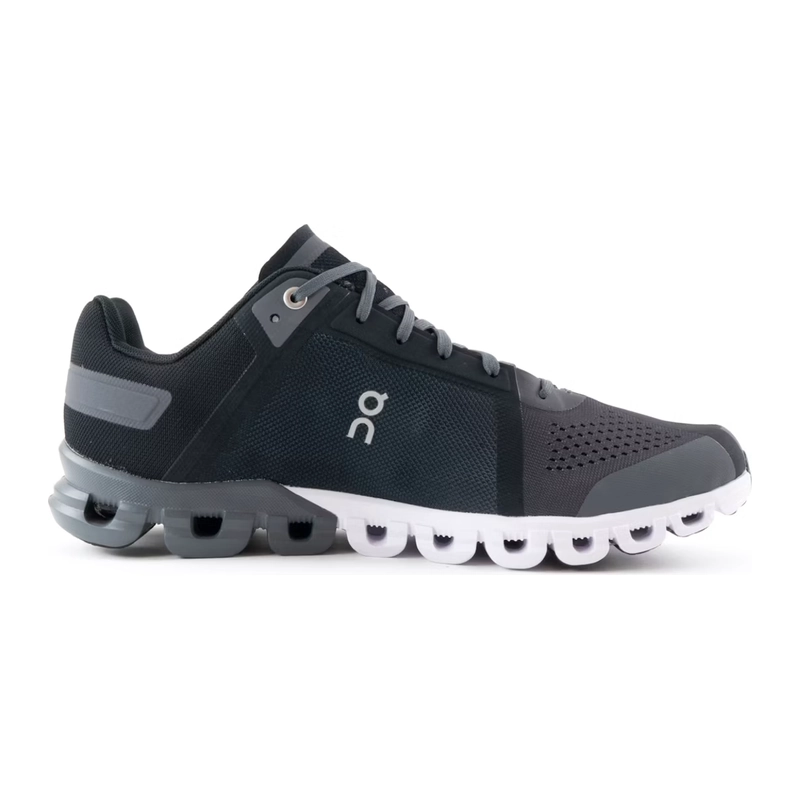
In 2010, retired Swiss Ironman champion Olivier Bernhard glued sliced sections of a rubber garden hose onto the bottom of a running shoe in Zurich, chasing a midsole that could cushion impact horizontally as well as vertically. Sixteen years later, that crude garage experiment sits beneath the feet of airport commuters, hospital surgeons, and luxury fashion shoppers worldwide—and underpins a publicly traded company generating billions in annual revenue. Yet as On Cloud silhouettes have morphed from niche triathlon gear into a $160-to-$200 urban uniform, seasoned runners and footwear analysts keep asking a blunt question: how much of that price tag pays for genuine biomechanical innovation, and how much pays for world-class Swiss packaging?
Inside the Actual Mechanics of CloudTec and Speedboard
Strip away the sleek typography on the shoebox, and On Cloud signature ride comes down to two physical parts working against each other: hollow outsole cavities (CloudTec) and a full-length thermoplastic plate (Speedboard). Unlike thick slabs of uninterrupted foam that compress uniformly like a mattress, hollow pods collapse sequentially—absorbing initial heel-strike shear before locking together into a firm base for toe-off. Independent lab teardowns confirm that classic Cloud models are remarkably light (around 8 ounces) and extraordinarily flexible in the forefoot, yet they also reveal a major surprise for first-time buyers: once those hollow cavities bottom out, the shoe feels noticeably firm and structured rather than marshmallow-soft.
Where the Branding Story Outruns Biomechanical Reality
Marketing built around the phrase "running on clouds" naturally leads shoppers to expect deep, plush shock absorption. In reality, high-mileage distance runners and lab testers frequently point out where the classic hollow-pod formula hits physical limits:
-
Energy Return Trails Super Foams: Standard Helion EVA pods paired with rigid plates generally deliver less rebound efficiency than nitrogen-infused or Pebax super foams used in competing marathon trainers.
-
Narrow Heel Geometry: Lab measurements show classic lifestyle-leaning Cloud soles run significantly narrower in the heel than category averages, trading broad stability for sleek visual lines.
-
Outsole Debris and Squeaking: Open channels between pods routinely wedge small pebbles on gravel paths and can produce suction squeaks on smooth, damp floors.
-
Accelerated Pod Creasing: Hollow walls compress faster under heavy daily mileage than solid foam slabs, often flattening around 250 to 350 miles.
-
Offshore Mass Manufacturing: Despite "Swiss Engineering" stamped across the heel, actual assembly takes place in large partner factories across Vietnam and Indonesia—just like legacy competitors.
Why "Swiss Engineered" Works So Effectively at Retail
Few country-of-origin cues carry the psychological weight of Switzerland. Even when consumers know the mesh and foam are assembled in Southeast Asia, Zurich headquarters and alpine minimalist aesthetics immediately evoke precision watches, clean industrial design ukonclouds.com and clinical reliability. On’s founders—two of whom came from advertising and business strategy rather than traditional footwear manufacturing—understood early on that making the technology visible from twenty feet away would turn every wearer into a walking demonstration. While Nike and Adidas hid their foam chemistry inside solid midsoles, On put open geometric cavities right on the outside of the shoe.
Full-Price Discipline and the Luxury Crossover Playbook
Clever branding alone does not sustain 60-percent-plus gross margins unless paired with ruthless retail control. Rather than flooding discount outlets or chasing endless seasonal markdowns, On tightly restricted wholesale distribution, expanded high-margin direct-to-consumer flagship stores, and leaned into cultural partnerships with Roger Federer and luxury houses like Loewe. By keeping muted tonal colorways, featherweight uppers, and speed-lacing convenience front and center, the brand bypassed loud athletic clichés and slipped straight into smart-casual office and travel wardrobes.
What On’s Own Racing Shoes Reveal About the Original Pods
Perhaps the sharpest reality check on classic CloudTec marketing comes from inside On’s own performance lab. When building elite marathon racers like the Cloudboom Strike and newer daily trainers like the Cloudsurfer 2 and Cloudsurfer Max, On’s engineers moved away from open hollow cavities toward thick, uninterrupted slabs of Pebax super foam and computer-optimized closed geometries (CloudTec Phase). That quiet shift speaks volumes: when pure distance speed and plush impact protection are on the line, even the brand’s own scientists favor continuous foam over the classic hollow pods that made the lifestyle lineup famous.
Separating Genuine Everyday Utility From Hype
Calling On Cloud trainers "just marketing" misses why millions of repeat customers happily pay full retail. For travelers racing through airport terminals, commuters who hate heavy, bulbous sneakers, and walkers who want an effortless slip-on fit with brisk stability, the combination of low weight, breathable tailoring, and clean aesthetics solves a real daily problem. The disconnect only happens when buyers mistake a sharp, lightweight lifestyle and short-distance trainer for a miracle orthopedic cure or a 500-mile marathon workhorse.
Judging the Shoe Rather Than the Mystique
At its core, On Cloud is a textbook case of genuine—if specialized—industrial design amplified by extraordinary brand positioning. The hollow-pod sole is a real mechanical signature with clear strengths in weight and crisp responsiveness, alongside real compromises in softness, gravel trapping, and long-haul durability. Buy a pair for clean Swiss minimalism and effortless all-day walking convenience, and the product earns its keep; buy it expecting soft-as-a-cloud running magic, and you are paying mostly for the story on the box.
Frequently Asked Questions (FAQ)
Q1: Are On Cloud trainers actually manufactured in Switzerland?
No; while the company is based in Zurich and designs its footwear in Switzerland, production takes place primarily in partner factories in Vietnam and Indonesia.
Q2: Is CloudTec technology just a visual gimmick?
No; hollow CloudTec pods compress vertically and horizontally upon footstrike before locking into a firm push-off base, creating a distinct lightweight, responsive feel—though it is firmer than plush super foams.
Q3: Why do newer On running shoes look different from classic On Cloud sneakers?
For serious distance running and softer cushioning, On has increasingly shifted toward thicker, uninterrupted super-foam midsoles (such as the Cloudsurfer and Cloudboom lines) rather than classic open-cavity pods.

 English
 French
 Spanish
 Portuguese
 Deutsch
 Turkish
 Dutch
 Italiano
 Russian
 Romaian
 Portuguese (Brazil)
 Greek