


How to Plan an Audio-Visual System for a Modern Home in the UAE
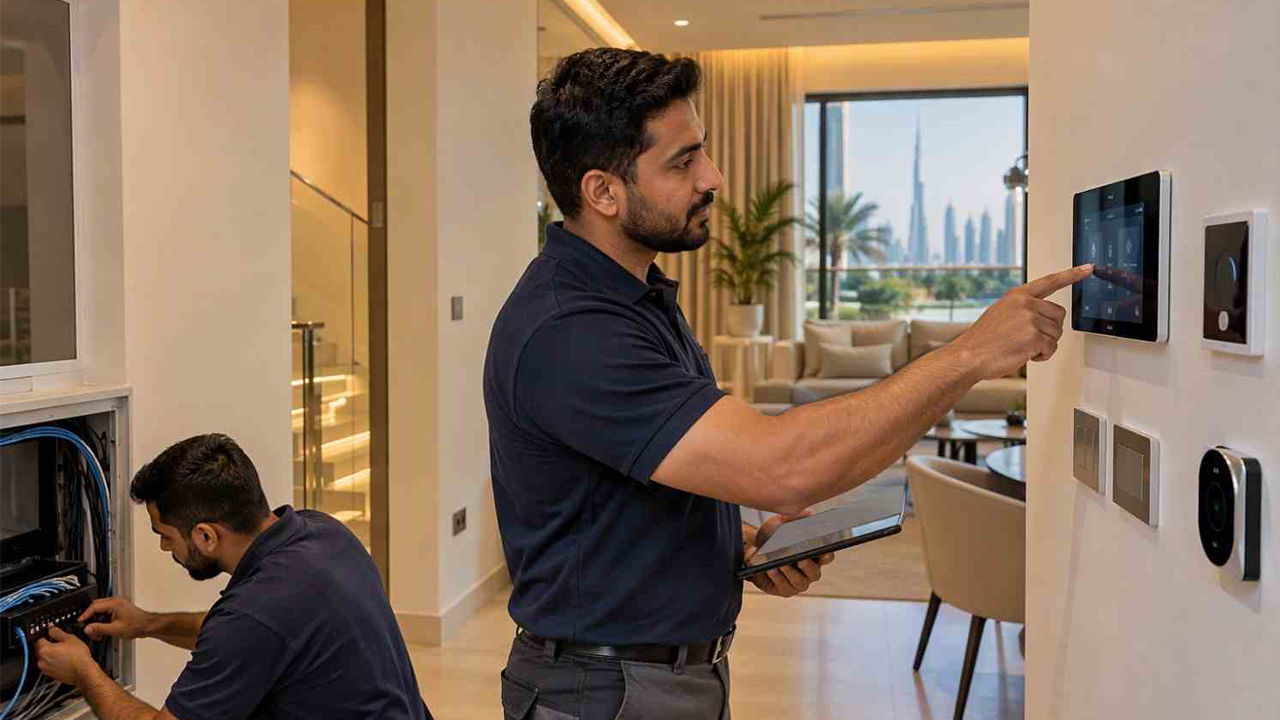
Planning an audio-visual system for a modern home requires careful selection of screens, speakers, sound equipment, and control devices. These technologies help families enjoy entertainment, watch movies, listen to music, and manage different devices more easily. Homeowners researching best av integration companies in dubai may also want to understand how these systems work before choosing equipment. A good AV plan should match the home's size, family requirements, budget, and daily activities. It should also allow room for future upgrades without requiring major changes.
1. Understand Your Home Entertainment Needs
Before purchasing AV equipment, think about how you want to use it. Every home has different entertainment requirements. Some families need a simple television and speaker setup, while others want a complete home cinema and multi-room audio system.
Start by identifying the rooms where you want to install AV equipment. For example, you may need a large display in the living room, a cinema system in a dedicated entertainment room, and speakers in outdoor areas.
Consider the following points:
-
How many rooms need audio or video equipment?
-
Do you want a dedicated home cinema?
-
Will family members use different entertainment devices?
-
Do you need music in multiple rooms?
-
Would you prefer wireless or wired connections?
Understanding these requirements will help you select suitable equipment and avoid unnecessary purchases.
2. Choose the Right Display Screens
Display screens are an important part of a home AV system. They are used for watching movies, television programmes, sports, and online content.
The screen size should depend on the room dimensions and viewing distance. A very large screen in a small room may feel uncomfortable, while a small screen in a large living room may not provide a good viewing experience.
There are different display options available, including LED, OLED, and QLED televisions. Projectors are another option for dedicated home cinema rooms.
Before selecting a display, check its resolution, brightness, screen size, and available connections. Also consider natural light in the room because sunlight can affect picture quality.
3. Plan the Home Audio System
Sound quality plays an important role in the entertainment experience. A suitable audio system can make movies, music, and television programmes more enjoyable.
For a basic living room setup, a soundbar or a pair of speakers may be enough. A dedicated home cinema may require a surround sound system with multiple speakers and a subwoofer.
Common audio equipment includes:
-
Front speakers for clear dialogue and main sound
-
Surround speakers for sound effects
-
A centre speaker for voices
-
A subwoofer for low-frequency sounds
-
An AV receiver to manage audio signals
Speaker placement is important. Speakers should be positioned according to the room layout and seating arrangement. Proper placement helps create balanced sound without making some areas too loud.
4. Consider a Dedicated Home Cinema Room
A home cinema room can provide a comfortable place for watching movies and other entertainment. However, it needs more planning than a standard television setup.
Start with the room size, seating position, screen placement, and lighting. A projector and large screen can work well in a dedicated cinema room, while a large television may be more suitable for smaller spaces.
Sound treatment should also be considered. Hard walls and floors can create echoes that affect audio quality. Carpets, curtains, and acoustic panels can help control unwanted sound reflections.
Comfortable seating and adjustable lighting can improve the overall experience. It is also useful to plan cable routes and power connections before installing the equipment.
5. Select the Right AV Receiver and Equipment
An AV receiver connects and manages different audio and video devices. It receives signals from sources such as televisions, media players, gaming consoles, and streaming devices.
It then sends audio to the speakers and video to the display.
When selecting an AV receiver, check the number of supported channels, HDMI connections, audio formats, and compatibility with your equipment.
For example, a family planning a surround sound setup should select a receiver that supports the required number of speakers.
It is also important to check whether the receiver supports modern video features and the connections needed for future devices. This can help avoid replacing the equipment too soon.
6. Plan Multi-Room Audio and Video
Multi-room AV systems allow homeowners to enjoy entertainment in different areas of the house. For example, music can play in the living room while another family member watches television in a bedroom.
This setup usually includes speakers, audio sources, network connections, and a central control system.
Before installation, decide which rooms need speakers and whether each room should have independent volume and music controls.
Wireless systems can offer flexible installation, while wired systems may provide more reliable connections for permanent setups.
Outdoor areas such as gardens, balconies, and terraces may also need suitable weather-resistant speakers.
7. Include Smart Controls and Automation
Modern AV systems can work with home automation technology. This allows homeowners to control entertainment devices and other connected equipment from a central interface.
For example, a single control panel or mobile application may allow users to switch on the television, adjust speaker volume, control lighting, and select an entertainment source.
Some systems also support preset settings. A movie mode can adjust the lights, turn on the display, and select the required audio source.
When planning automation, check whether the AV equipment is compatible with the selected control system.
Simple controls are important because every family member should be able to use the system without technical knowledge.
8. Check Wiring, Internet, and Power Requirements
A reliable connection is necessary for modern AV equipment. Streaming services, wireless speakers, smart televisions, and connected devices all depend on network access.
Check the internet connection before installing the equipment. Large homes may need additional Wi-Fi access points to provide stable coverage in different rooms.
Wired network connections can be useful for televisions, media servers, and other important devices.
Power points should also be available near displays, speakers, receivers, and control panels. Plan cable routes carefully to keep wires organised and reduce visible clutter.
For new homes, it is better to plan these requirements during the construction or interior design stage.
9. Think About Future Upgrades
Technology changes over time, so an AV system should allow room for future improvements.
A family may want to add more speakers, upgrade a television, or install a projector later. Planning extra connections and suitable cable routes can make these changes easier.
Choose equipment that supports commonly used connections and works with other devices in the system.
It is also useful to keep equipment manuals, wiring information, and installation details in one place. This information can help when adding new devices or troubleshooting technical issues.
10. Test the System After Installation
Once the equipment is installed, test every part of the system. Check display quality, speaker performance, network connections, and device controls.
Play different types of audio to check whether sound is balanced throughout the room. Test streaming services and connected devices to identify any connection problems.
If the system includes central controls, make sure all functions work correctly.
Family members should also understand how to operate the equipment. Simple instructions can help everyone use the system comfortably.
Final Planning Considerations
A modern home AV system should support the family's entertainment needs while remaining simple to operate. Display screens, speakers, receivers, home cinema equipment, network connections, and smart controls should be planned as parts of one connected system. Homeowners comparing the best av integration companies in dubai should understand these essential components before making decisions about equipment and installation. Careful planning can help create a reliable entertainment setup that remains useful as household needs and technology change.

 English
 Arabic
 French
 Portuguese
 Deutsch
 Turkish
 Dutch
 Italiano
 Russian
 Romaian
 Portuguese (Brazil)
 Greek