


How to Choose the Right Swimming Pool Pump for Your Property
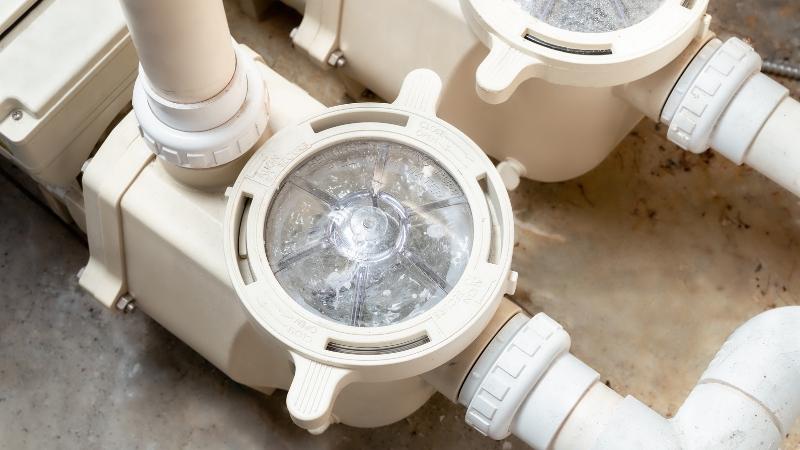
Choosing the right swimming pool pump is essential for maintaining clean, healthy, and well-circulated pool water. With professional Swimming Pool Pump Repair & Replacement in Singapore, property owners can select an efficient pump that meets their pool's requirements while reducing energy consumption and maintenance costs.
Why Choosing the Right Swimming Pool Pump Matters
A swimming pool pump is one of the most important components of any pool circulation system. It keeps water moving through the filtration system, helping remove dirt, debris, and other unwanted particles. Without a properly functioning pump, pool water can become cloudy, unclean, and difficult to maintain.
However, not every swimming pool requires the same type of pump. The right choice depends on several factors, including pool size, water volume, filtration requirements, operating hours, and energy efficiency.
Selecting an unsuitable pump can lead to various problems, such as poor water circulation, excessive electricity consumption, frequent breakdowns, and unnecessary repair expenses.
Whether you own a private residential pool, condominium swimming pool, hotel pool, or commercial facility, choosing a suitable pump helps ensure consistent performance and long-term reliability.
1. Consider Your Swimming Pool Size
The first thing to consider when choosing a swimming pool pump is the size of your pool. Larger swimming pools generally require pumps with greater water circulation capacity, while smaller pools may operate efficiently with lower-capacity models.
Pool size is usually measured by calculating its total water volume. This information helps determine how much water the pump needs to circulate within a specific period.
For example:
-
Small residential pools: Usually require pumps with lower flow capacities.
-
Medium-sized swimming pools: May need pumps with moderate circulation capabilities.
-
Large residential and commercial pools: Often require higher-capacity pumps to support their filtration systems.
Choosing a pump that is too small may result in inadequate water circulation. On the other hand, an unnecessarily powerful pump can increase electricity consumption and place additional pressure on the filtration system.
Before purchasing a pump, calculate your pool's water volume and consult a swimming pool professional to determine the appropriate capacity.
2. Understand Different Types of Swimming Pool Pumps
Swimming pool pumps are available in several types, each offering different features, operating costs, and performance benefits. Understanding these options can help you make a more informed decision.
Single-Speed Pool Pumps
Single-speed pumps operate at one fixed speed. They run at the same motor speed whenever switched on, regardless of the pool's actual circulation requirements.
These pumps are generally straightforward to operate and may have a lower initial purchase cost. However, they can consume more electricity because they cannot adjust their operating speed.
Single-speed pumps may be suitable for certain smaller or older pool systems, depending on their circulation requirements.
Dual-Speed Pool Pumps
Dual-speed pumps provide two operating settings: high speed and low speed.
The high-speed setting is useful when stronger water circulation is required, while the low-speed setting can support regular filtration with reduced energy consumption.
They offer more flexibility than traditional single-speed pumps, making them an option for property owners looking for a balance between performance and operating costs.
Variable-Speed Pool Pumps
Variable-speed pumps allow users to adjust motor speed according to the swimming pool's circulation requirements.
They can operate at lower speeds for routine filtration and increase speed when additional circulation is needed.
Some important advantages include:
-
Improved energy efficiency.
-
Flexible operating settings.
-
Reduced motor noise at lower speeds.
-
Better control over water circulation.
-
Potentially lower long-term electricity expenses.
Although variable-speed pumps may involve a higher initial investment, their energy-saving potential makes them worth considering for many residential and commercial properties.
3. Check the Required Flow Rate
Flow rate refers to the amount of water a swimming pool pump can move within a particular period. It is commonly measured in litres per minute or cubic metres per hour.
Selecting the correct flow rate is important because the pump must circulate enough water through the filtration system to maintain suitable water quality.
A pump with insufficient flow capacity may struggle to circulate the entire pool volume effectively. This can contribute to poor filtration and uneven water circulation.
However, selecting an excessively high flow rate is not necessarily better. It may increase energy consumption and exceed the recommended operating capacity of the filter, pipes, or other equipment.
When calculating the required flow rate, consider:
-
Total swimming pool water volume.
-
Desired water turnover time.
-
Pipe diameter and plumbing layout.
-
Filter capacity.
-
Equipment resistance and pressure losses.
-
Additional water features connected to the circulation system.
A qualified swimming pool technician can assess these factors and recommend a pump that works efficiently with your existing system.
4. Evaluate Energy Efficiency
Electricity consumption is an important consideration for swimming pool owners in Singapore. Since pumps often operate for several hours each day, choosing an energy-efficient model can make a noticeable difference to long-term operating expenses.
When comparing different swimming pool pumps, look beyond the initial purchase price. Consider the motor's efficiency, adjustable speed settings, operating requirements, and expected electricity consumption.
Variable-speed technology is particularly useful because it allows the pump to operate at different speeds depending on the circulation requirements.
Running a pump at a lower speed for longer periods may use less electricity than operating a conventional pump at maximum speed for shorter periods, depending on the system configuration.
You should also check the manufacturer's energy specifications and compare the expected running costs of different models.
An energy-efficient pump can help property owners manage electricity expenses while maintaining effective pool circulation.
5. Choose a Pump Compatible with Your Filtration System
Your swimming pool pump and filtration system work together to maintain water cleanliness. Therefore, selecting a pump that is compatible with your existing filter is essential.
A pump that delivers more water than the filter can handle may create excessive pressure and reduce overall system efficiency.
Similarly, an undersized pump may not provide sufficient flow for the filtration system to operate as intended.
Before purchasing a replacement pump, check:
-
Existing filter specifications.
-
Maximum recommended flow rate.
-
Pipe diameter and connection sizes.
-
Plumbing configuration.
-
Required operating pressure.
-
Compatibility with other pool equipment.
If you are replacing an older pump, do not assume that another model with similar dimensions will automatically be suitable.
A professional inspection can help identify compatibility issues before installation.
6. Consider the Pump's Noise Level
Noise is another important factor, especially for residential properties, condominiums, hotels, and facilities where swimming pools are located close to living spaces.
Some swimming pool pumps produce noticeable noise and vibration during operation. This can become inconvenient when the equipment is installed near bedrooms, outdoor seating areas, or neighbouring properties.
When selecting a pump, consider its motor design, vibration characteristics, installation requirements, and noise specifications.
Variable-speed pumps may operate more quietly at lower speeds, although actual noise levels depend on the model and installation conditions.
Proper installation also plays an important role. Incorrect mounting, worn bearings, loose connections, or poor pipe alignment can contribute to unwanted vibration and noise.
Choosing a suitable pump and ensuring professional installation can help create a quieter pool environment.
7. Look for Durable and Weather-Resistant Materials
Singapore's tropical climate brings high humidity, frequent rainfall, and warm temperatures throughout the year. These environmental conditions make equipment durability an important consideration.
Swimming pool pumps should be manufactured using materials suitable for regular exposure to moisture and the pool equipment environment.
When comparing models, consider:
-
Corrosion-resistant components.
-
Durable pump housing.
-
Reliable motor construction.
-
Appropriate electrical protection.
-
Quality mechanical seals.
-
Manufacturer-recommended environmental protection.
If the pump is installed outdoors, its location should also provide suitable protection against weather exposure while allowing adequate ventilation and access for maintenance.
Investing in a durable pump can help reduce premature equipment deterioration and unexpected maintenance expenses.
8. Consider the Installation Requirements
Even a high-quality swimming pool pump may not perform properly if it is installed incorrectly.
Before purchasing a new model, assess the available installation space and existing plumbing arrangement. The replacement pump should fit the equipment area and connect correctly with the circulation system.
Important installation considerations include:
Available space: Ensure there is sufficient room for the pump and future servicing.
Electrical requirements: Confirm that the pump's electrical specifications are compatible with the property's electrical supply. Electrical installation should be handled by a qualified professional.
Pipe connections: Check inlet and outlet sizes to avoid unnecessary plumbing modifications.
Ventilation: Ensure the motor has adequate airflow to prevent excessive heat buildup.
Accessibility: Install the pump where technicians can conveniently inspect and maintain it.
Professional installation helps ensure that the pump operates according to the manufacturer's recommendations and the requirements of the swimming pool system.
9. Compare Maintenance Requirements and Repair Costs
The initial purchase price should not be the only factor influencing your decision. You should also consider how easy the pump is to maintain and how much replacement parts or future repairs may cost.
Some swimming pool pumps have readily available spare parts, while others may require specialised components or longer replacement lead times.
Regular maintenance can help extend pump lifespan and reduce the likelihood of unexpected breakdowns.
Common maintenance tasks include:
-
Inspecting the pump basket and removing accumulated debris.
-
Checking for water leaks.
-
Monitoring unusual sounds and vibrations.
-
Inspecting seals and connections.
-
Ensuring adequate water flow.
-
Arranging periodic professional servicing.
If your existing pump frequently experiences problems, professional Swimming Pool Pump Repair & Replacement in Singapore can help determine whether repairing the current equipment or installing a replacement is the more practical option.
A proper assessment can prevent property owners from spending money on repeated repairs when the pump has reached the end of its useful service life.
10. Consider Your Property's Specific Requirements
Different properties have different swimming pool requirements. A pump suitable for a small private swimming pool may not provide sufficient performance for a large commercial facility.
Before making a final decision, consider how your swimming pool is used.
Residential Swimming Pools
Homeowners generally prioritise quiet operation, energy efficiency, durability, and straightforward maintenance.
A variable-speed pump may be a suitable option when the pool's circulation requirements and budget support the investment.
Condominium Swimming Pools
Condominium swimming pools often experience regular usage by multiple residents. Their circulation systems must support consistent operation and effective filtration.
Pump selection should account for pool volume, usage patterns, filtration requirements, and equipment operating schedules.
Hotel and Commercial Swimming Pools
Hotels, resorts, and commercial facilities may require pumps capable of supporting larger water volumes and longer operating schedules.
Reliability is particularly important because equipment failure can interrupt pool operations and affect the experience of guests or customers.
A professional assessment can help identify the appropriate pump specifications for each type of property.
11. Understand When Your Existing Pump Needs Replacement
Sometimes, choosing the right swimming pool pump means recognising when your current equipment is no longer suitable.
Although regular servicing can extend equipment life, certain warning signs indicate that a pump may require professional attention.
Look out for the following issues:
-
Reduced water circulation: Water moves more slowly than usual through the circulation system.
-
Unusual operating noise: Grinding, rattling, or excessive humming may indicate mechanical problems.
-
Frequent overheating: The motor becomes unusually hot during operation.
-
Visible water leaks: Water appears around the pump housing or connection points.
-
Repeated breakdowns: The pump requires frequent repairs to remain operational.
-
Increasing electricity consumption: Energy costs rise without a clear change in usage.
These symptoms can have several possible causes, so a professional inspection is important before deciding to replace the equipment.
Infinity Pool Services Pte Ltd can help property owners assess swimming pool pump performance and identify suitable maintenance or replacement solutions based on their system requirements.
12. Work with an Experienced Swimming Pool Maintenance Company
Choosing a swimming pool pump can be complicated, particularly when you are unfamiliar with technical specifications, plumbing arrangements, and filtration requirements.
Working with an experienced swimming pool maintenance company can simplify the process.
A professional technician can inspect your existing circulation system, calculate the required pump capacity, evaluate equipment compatibility, and recommend suitable options.
When selecting a service provider, consider:
-
Experience with residential and commercial swimming pools.
-
Knowledge of different pump brands and models.
-
Ability to inspect and diagnose pump problems.
-
Availability of repair and replacement services.
-
Transparent quotations and service recommendations.
-
Ongoing maintenance support.
Infinity Pool Services Pte Ltd provides swimming pool maintenance solutions designed to help property owners maintain reliable pool equipment and properly functioning circulation systems.
Professional guidance can help you avoid purchasing an unsuitable pump and reduce the risk of installation-related problems.
Common Mistakes to Avoid When Buying a Swimming Pool Pump
Even with plenty of available options, property owners sometimes make purchasing decisions that lead to unnecessary expenses.
Here are several mistakes worth avoiding.
Choosing Based Only on Price
A cheaper pump may appear attractive initially, but it may not offer the efficiency, durability, or performance required by your swimming pool.
Compare the total cost of ownership, including electricity consumption, servicing, and potential replacement parts.
Ignoring Pump Compatibility
Never purchase a pump without checking whether it is compatible with your existing filtration and plumbing systems.
Selecting Excessive Pump Capacity
A more powerful pump does not automatically provide better filtration. The pump must be correctly matched to the entire circulation system.
Overlooking Maintenance Requirements
Every swimming pool pump requires appropriate maintenance. Ignoring servicing requirements can lead to premature wear and reduced performance.
Installing the Pump Without Professional Assessment
Incorrect installation can cause operational problems, leaks, excessive noise, and unnecessary equipment stress.
Taking time to evaluate these factors can help you make a better long-term investment.
Final Thoughts
Choosing the right swimming pool pump requires more than comparing prices or selecting the most powerful model. You need to consider pool size, flow rate, filtration compatibility, energy efficiency, noise levels, durability, and maintenance requirements.
The right equipment helps maintain effective water circulation, supports filtration performance, and reduces unnecessary operating expenses.
If you are unsure which pump is suitable for your property, professional advice can make the selection process easier. Infinity Pool Services Pte Ltd can assist with swimming pool maintenance, equipment inspections, and suitable pump solutions.
With the right equipment and regular servicing, your swimming pool can remain efficient, clean, and enjoyable throughout the year.
Frequently Asked Questions (FAQs)
1. How do I choose the right swimming pool pump?
Start by checking your pool's water volume, required flow rate, filtration system capacity, plumbing configuration, and operating requirements. A professional assessment can help determine the most suitable pump.
2. Are variable-speed swimming pool pumps better?
Variable-speed pumps offer greater flexibility and can reduce electricity consumption by operating at lower speeds when full circulation capacity is unnecessary. However, suitability depends on your pool system and budget.
3. How long does a swimming pool pump usually last?
The lifespan varies depending on the pump's quality, operating conditions, installation, and maintenance. Regular servicing and correct operation can help extend its useful life.
4. Can I replace my swimming pool pump with a different model?
Yes, provided the replacement model is compatible with your pool's filtration system, plumbing, electrical supply, and circulation requirements. Professional assessment is recommended before replacement.
5. How often should a swimming pool pump be serviced?
The servicing schedule depends on the pump model, pool usage, and operating environment. Regular inspections and maintenance help identify potential issues before they become serious problems.
6. When should I consider swimming pool pump replacement?
Consider replacement when the pump experiences repeated breakdowns, significant performance problems, major mechanical damage, or repair costs that make replacement more economical.

 English
 Arabic
 French
 Spanish
 Portuguese
 Deutsch
 Turkish
 Dutch
 Italiano
 Russian
 Portuguese (Brazil)
 Greek