


10 Common Waterproofing Problems Singapore Homeowners Should Know About
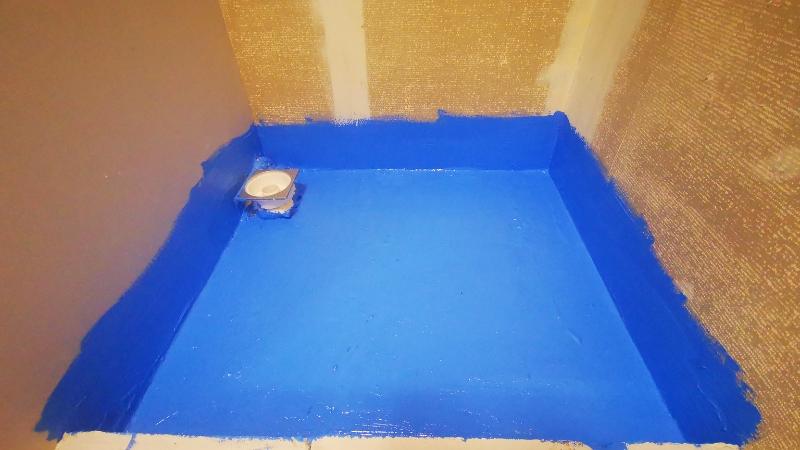
Introduction
Water damage can affect your property's structure, appearance, and comfort if left untreated. Understanding common issues helps homeowners take preventive action early. A Waterproofing Specialist in Singapore can identify hidden problems and recommend suitable solutions to protect your property from long-term damage.
1. Roof Leakage During Heavy Rain
Roof leakage is one of the most common waterproofing problems faced by homeowners in Singapore. Frequent rainfall and tropical weather conditions can put significant pressure on roofing systems, especially when waterproofing layers become weak or damaged.
Small cracks, deteriorated membranes, loose roof tiles, and damaged joints can allow rainwater to enter the building. Initially, homeowners may notice small water stains on ceilings or damp patches near the roof. However, ignoring these signs can lead to more serious problems.
Common signs of roof leakage include:
-
Water stains on ceilings.
-
Dripping water during heavy rainfall.
-
Peeling paint near the roof.
-
Damp patches on upper-floor walls.
-
Visible cracks around roofing materials.
How to prevent it:
Regular roof inspections are essential. Homeowners should check waterproofing membranes, drainage outlets, roof joints, and flashing. If leakage occurs repeatedly, professional assessment can help identify the actual source instead of simply covering visible stains.
2. Bathroom and Toilet Water Leakage
Bathrooms are constantly exposed to water, making them particularly vulnerable to waterproofing failures. Shower areas, floor joints, wall corners, and pipe connections can develop leaks over time.
One common problem occurs when the waterproofing membrane beneath bathroom tiles becomes damaged. Water can gradually penetrate the underlying concrete slab and travel into nearby rooms or the ceiling of the floor below.
Warning signs include:
-
Water stains on the ceiling below the bathroom.
-
Dampness around bathroom walls.
-
Loose or hollow-sounding floor tiles.
-
Persistent moisture near shower areas.
-
Water appearing outside the bathroom.
How to prevent it:
Proper waterproofing should be installed beneath bathroom tiles, particularly in shower areas. Waterproofing membranes, properly sealed joints, and suitable drainage systems help prevent water from penetrating structural surfaces.
If leakage continues despite replacing grout or applying surface sealants, a more detailed inspection may be necessary.
3. Wall Seepage and Damp Walls
Wall seepage happens when moisture enters through cracks, porous surfaces, damaged external coatings, or poorly sealed construction joints.
In Singapore, buildings are regularly exposed to humidity and heavy rainfall. External walls can gradually absorb moisture, particularly when protective coatings deteriorate.
This problem is not always immediately noticeable. Homeowners may initially see small damp patches before experiencing peeling paint, discoloration, or unpleasant musty smells.
Common symptoms of wall seepage include:
-
Damp patches on interior walls.
-
Peeling or bubbling paint.
-
White powdery deposits on wall surfaces.
-
Discoloration around windows.
-
Persistent musty odours.
How to prevent it:
The first step is identifying where moisture enters. Depending on the cause, suitable solutions may include external wall waterproofing, crack repairs, protective coatings, or sealing construction joints.
Simply repainting a damp wall will not solve the underlying issue. The moisture source must be addressed before decorative repairs begin.
4. Balcony and Terrace Water Leakage
Balconies and terraces are exposed to rain, sunlight, and changing temperatures. Over time, these conditions can weaken waterproofing membranes and create small cracks in exposed surfaces.
Water can enter through tile joints, drainage areas, parapet walls, and connections between floors and walls. If the waterproofing system fails, moisture may travel into adjacent rooms or lower floors.
Signs of balcony waterproofing problems include:
-
Water pooling after rainfall.
-
Dampness around balcony doors.
-
Cracked or loose tiles.
-
Water stains on the ceiling below.
-
Deteriorating wall finishes.
How to prevent it:
Balconies should have appropriate waterproofing membranes and sufficient drainage slopes. Drainage outlets must remain clear so rainwater can flow away instead of accumulating on the surface.
Professional waterproofing inspections can also help homeowners identify deteriorating membrane systems before significant water damage develops.
5. Basement and Underground Water Seepage
Basements and underground spaces can experience water seepage because they are surrounded by soil that naturally contains moisture.
When external waterproofing systems become damaged or construction joints are not adequately sealed, groundwater can enter through concrete walls and floor slabs.
This problem can be particularly challenging because water may enter through areas that are difficult to access.
Common signs include:
-
Damp basement walls.
-
Water collecting on basement floors.
-
Persistent moisture around construction joints.
-
Peeling coatings.
-
Musty smells and visible water marks.
How to prevent it:
Basement waterproofing requires careful attention to external walls, floor slabs, construction joints, and drainage systems.
Depending on the building structure and source of leakage, solutions may include waterproofing membranes, injection grouting, drainage improvements, or specialised protective coatings.
Early professional assessment is important because underground water pressure can make untreated leakage more difficult to manage.
6. Cracks in Concrete Structures
Concrete is a durable construction material, but it can develop cracks because of structural movement, shrinkage, temperature changes, ageing, and environmental conditions.
Not every concrete crack indicates a serious structural issue. However, cracks can become entry points for rainwater and moisture.
When water penetrates concrete, it can contribute to deterioration and potentially affect embedded reinforcement over time.
Common locations where cracks appear include:
-
Roof slabs.
-
External walls.
-
Balconies.
-
Concrete floors.
-
Parking structures.
How to prevent it:
Cracks should be assessed to determine their cause, size, and movement. Depending on the situation, suitable repair methods may include crack sealing, injection grouting, flexible waterproofing coatings, or other specialised treatments.
If cracks are widening or accompanied by structural movement, a qualified structural professional should assess them before waterproofing repairs are undertaken.
7. Window Frame and Window Joint Leakage
Windows are another common entry point for rainwater, particularly during heavy storms.
Water can enter through deteriorated sealants, damaged gaskets, poorly sealed frame connections, or gaps between the window frame and surrounding wall.
Homeowners may notice water collecting near window sills or damp patches around the edges of window openings.
Typical warning signs include:
-
Water entering around window frames.
-
Dampness beneath windows.
-
Peeling paint near window edges.
-
Deteriorated silicone sealant.
-
Water stains around window corners.
How to prevent it:
Inspect window frames and surrounding joints regularly. Damaged sealants should be replaced with suitable weather-resistant materials.
However, applying new silicone over existing damaged material may not provide a lasting solution. Proper surface preparation and identifying the actual entry point are important for effective repairs.
8. Pipe Leakage and Plumbing-Related Water Damage
Plumbing leaks can create waterproofing problems even when the building's waterproofing membrane is functioning correctly.
Water supply pipes, drainage pipes, concealed bathroom connections, and ageing plumbing fittings may develop leaks over time.
Because some pipes are hidden inside walls or beneath floors, the problem may remain unnoticed until visible damage appears.
Common indicators include:
-
Unexpected damp patches.
-
Water stains near plumbing installations.
-
Persistent moisture around bathrooms and kitchens.
-
Unusual water consumption.
-
Deteriorating paint near concealed pipes.
How to prevent it:
Regular plumbing inspections can help identify damaged connections and ageing pipes. When leakage is suspected, appropriate leak detection methods should be used before removing tiles or opening walls unnecessarily.
It is important to distinguish plumbing leakage from waterproofing failure because both problems require different repair approaches.
9. Water Ponding on Roofs and Flat Surfaces
Water ponding occurs when rainwater remains on a roof, balcony, or other flat surface instead of draining properly.
This often happens because of insufficient drainage slopes, blocked outlets, damaged drainage channels, or poor surface design.
Standing water can place additional stress on waterproofing systems, especially when membranes are already ageing or damaged.
Common signs of water ponding include:
-
Water remaining on flat roofs after rainfall.
-
Blocked drainage outlets.
-
Persistent puddles on balconies.
-
Algae or dirt accumulation.
-
Deteriorating waterproofing coatings.
How to prevent it:
Homeowners should ensure drainage outlets remain clear and that roof surfaces have appropriate slopes.
Where ponding is caused by construction or drainage defects, professional assessment may be required to determine whether surface correction, drainage improvements, or waterproofing repairs are necessary.
Simply applying another waterproofing coating without addressing the drainage problem may not prevent future issues.
10. Waterproofing Membrane Deterioration
Waterproofing membranes act as protective barriers that prevent water from penetrating building surfaces. However, these materials are not permanent and may deteriorate due to ageing, weather exposure, poor installation, or physical damage.
Different membrane systems have different lifespans and maintenance requirements. When a membrane becomes damaged, water can gradually penetrate the underlying structure.
Warning signs of membrane deterioration include:
-
Cracked or peeling waterproofing layers.
-
Bubbling or blistering surfaces.
-
Repeated leakage in the same area.
-
Exposed sections of the underlying substrate.
-
Moisture appearing despite previous repairs.
How to prevent it:
Regular inspections can help identify early signs of membrane failure. When repairs are needed, the existing waterproofing system should be evaluated before selecting replacement materials.
Depending on the surface and exposure conditions, suitable solutions may include liquid-applied membranes, sheet membranes, cementitious waterproofing, or other compatible systems.
Choosing the correct material and ensuring proper installation are essential for achieving reliable protection.
Why Should Singapore Homeowners Address Waterproofing Problems Early?
Waterproofing issues rarely disappear without proper intervention. Even a small leak can gradually affect building materials, interior finishes, and everyday comfort.
Addressing problems early offers several important benefits.
Protects Your Property Structure
Water penetration can contribute to concrete deterioration, corrosion of embedded reinforcement, and damage to building materials. Early repairs help reduce the risk of more extensive deterioration.
Prevents Expensive Repairs
A small waterproofing defect may require a relatively straightforward repair. However, prolonged water exposure can affect multiple areas, increasing the complexity and cost of restoration.
Maintains Indoor Comfort
Damp walls, water stains, and persistent moisture can make indoor spaces uncomfortable. Effective waterproofing helps maintain a cleaner and drier living environment.
Preserves Property Value
A well-maintained property is generally more attractive to potential buyers and tenants. Proper waterproofing maintenance demonstrates that important building issues have been addressed.
Reduces Repeated Maintenance
Identifying the actual source of water penetration helps prevent temporary repairs from becoming a recurring expense.
How to Choose the Right Waterproofing Professional in Singapore
When dealing with persistent water leakage, selecting an experienced professional is an important decision. Different waterproofing problems require different materials, inspection methods, and repair techniques.
Here are several factors homeowners should consider.
1. Relevant Experience: Look for professionals with experience handling similar waterproofing problems, such as roof leakage, bathroom seepage, basement leakage, and external wall protection.
2. Proper Inspection: A reliable contractor should investigate the source of water penetration rather than simply covering visible stains or damaged surfaces.
3. Suitable Materials: Waterproofing materials should be selected according to the surface, environmental exposure, and nature of the leakage.
4. Clear Quotation: Request a detailed quotation explaining the proposed work, materials, preparation requirements, and repair scope.
5. Warranty Information: Ask whether the contractor provides a workmanship or product warranty and understand its terms and limitations.
6. After-Service Support: Waterproofing problems may require follow-up inspections. Choosing a company that provides clear communication and support can make the process easier.
Working with a qualified Waterproofing Specialist in Singapore can help homeowners understand the cause of leakage and select an appropriate long-term solution.
Final Thoughts
Waterproofing is an essential part of maintaining a safe, comfortable, and durable property. From roof leakage and bathroom seepage to concrete cracks and deteriorating membranes, understanding common problems allows homeowners to take action before damage becomes extensive.
For professional guidance and waterproofing solutions, Allseal Waterproofing PTE Ltd can be considered when evaluating ways to protect your property against water penetration. The right inspection, suitable materials, and proper repair work can make a significant difference in maintaining your home's condition.

 English
 Arabic
 Spanish
 Portuguese
 Deutsch
 Turkish
 Dutch
 Italiano
 Russian
 Romaian
 Portuguese (Brazil)
 Greek