


Laser Light Therapy for Horses: Benefits, Uses and Horse Health Guide
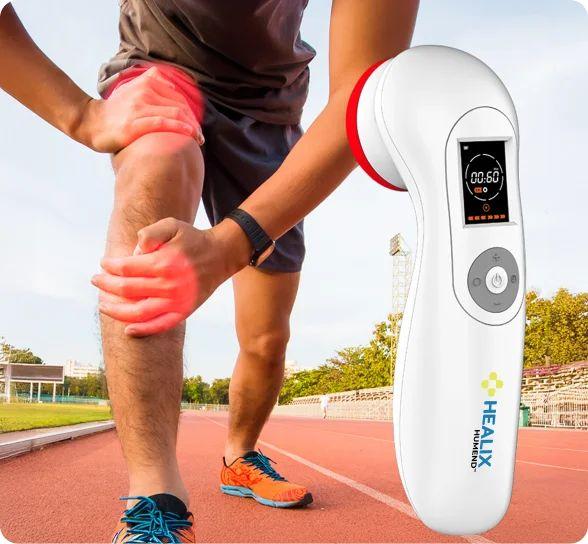
Horses are active animals that need proper care, especially when they participate in regular training, riding, and competitions. Long hours of exercise can place stress on their muscles, joints, tendons, and ligaments. Supporting their comfort and recovery is essential for maintaining a healthy and active lifestyle.
Today, laser light therapy for horses is gaining attention as a modern approach to equine wellness and rehabilitation. This technology uses specific wavelengths of light to deliver energy to targeted areas of the body. It offers a non-invasive option that can complement veterinary care and support a structured recovery routine.
Whether you are a horse owner, trainer, or veterinary professional, understanding how this technology works can help you make better decisions about equine care.
What Is Laser Light Therapy for Horses?
Laser light therapy is a treatment approach that uses specific wavelengths of light to interact with body tissues. It is also known as photobiomodulation.
The light energy may influence cellular activity and biological processes associated with tissue recovery and inflammation management.
In equine care, laser therapy may be considered as part of a veterinary treatment plan for different areas, including:
-
Muscles and soft tissues
-
Tendons and ligaments
-
Hocks and joints
-
Back and shoulders
-
Knees and fetlocks
-
Feet and hooves
The treatment is non-invasive and does not require surgical procedures. However, its suitability depends on the horse's condition, the device, and the recommended treatment protocol.
How Does Laser Therapy Work for Horses?
Laser therapy delivers light energy to selected areas using specific wavelengths. This process can influence cellular activity, including processes involving mitochondria, which help cells produce energy.
1. Supports Natural Recovery Processes
Photobiomodulation is being studied for its potential effects on cellular energy production and tissue response. It may complement a veterinarian-designed rehabilitation plan.
2. Helps Manage Muscle Discomfort
Training and competition can create physical stress. Laser therapy may be included in a suitable post-exercise routine to support muscle comfort.
3. Supports Mobility and Comfort
Joint and soft-tissue discomfort can affect a horse's movement. A veterinarian may consider laser therapy alongside other rehabilitation methods to support comfortable movement.
Key Benefits of Laser Light Therapy for Horses
Laser therapy offers several potential advantages when used appropriately.
Non-Invasive Care
The treatment delivers light energy externally without surgical incisions. This makes it an option worth discussing with a veterinarian when planning supportive care.
Convenient Barn Treatment
Portable laser devices allow suitable treatment protocols to be followed in a barn environment. This can make routine care more convenient for horse owners and trainers.
Multiple Treatment Applications
Different anatomical areas may require different treatment approaches. Equine-specific devices can offer guided programs for muscles, joints, tendons, ligaments, and other areas.
Supports Post-Exercise Recovery
Active horses need proper care after demanding training sessions. Laser therapy may complement rest, nutrition, appropriate exercise management, and veterinary guidance.
What Makes a Good Equine Laser Therapy Machine?
Choosing the right equipment is important for getting the most appropriate technology for your horse.
Here are some features to consider before purchasing a device.
Multiple Wavelengths
Different wavelengths have different characteristics and tissue interactions. A multi-wavelength device can offer flexibility for different treatment applications.
Veterinarian-Created Protocols
Pre-programmed treatment protocols can make device operation easier. Look for programs designed specifically for equine anatomy and follow professional recommendations when selecting them.
User-Friendly Controls
A touchscreen or simple control system can help users navigate treatment settings more easily.
Portable and Rechargeable Design
A portable device is useful for horse owners, veterinary clinics, and trainers who work across different locations. Battery life and charging convenience are also worth checking.
Discover Healix Questrian Pro Equine Laser Therapy
The Healix Questrian Pro is designed specifically for equine care. It combines multi-wavelength technology with veterinarian-created treatment protocols for use at the barn or in suitable professional settings.
Here are some of its main features:
-
Four wavelengths: 470nm, 635nm, 850nm, and 905nm.
-
12 veterinarian-created protocols: Guided settings for different anatomical areas and care needs.
-
Continuous and pulsed modes: Provides different treatment options.
-
Touchscreen controls: Makes selecting programs convenient.
-
Adjustable treatment sessions: Allows sessions to be selected according to the protocol.
-
Portable design: Suitable for convenient use at the barn.
-
Rechargeable battery: Designed for practical everyday use.
What Areas Can the Questrian Pro Address?
Its 12 available protocols cover:
-
Feet
-
Hocks
-
Tendons and ligaments
-
Contaminated wounds
-
Edema and congestion
-
Shins and fractures
-
Clean wounds
-
Muscle fatigue
-
Soft-tissue injuries
-
Back and shoulders
-
Stifles
-
Knees and fetlocks
These are available device settings, not a guarantee that every listed condition is suitable for laser treatment. Injuries, infections, wounds, and fractures require veterinary assessment.
The Questrian Pro is listed at $2,499 USD on the official Healix website. It includes a carrying case, charging cable, program guides, a one-year manufacturer warranty, and lifetime technical support. Free shipping is listed for the lower 48 US states.
Safety Tips for Using Equine Laser Therapy
Proper use is essential when operating laser therapy equipment.
Keep these important points in mind:
-
Read the manufacturer's manual before treatment.
-
Wear wavelength-appropriate protective eyewear.
-
Never direct laser energy toward the horse's eyes.
-
Follow the recommended treatment settings.
-
Ask a veterinarian to assess injuries before selecting a protocol.
-
Follow all device precautions and contraindications.
Laser therapy should complement veterinary diagnosis and rehabilitation, not replace them.
Frequently Asked Questions
1. What Is Laser Light Therapy Used for in Horses?
Laser light therapy may be used as part of equine care plans involving muscle comfort, soft-tissue recovery, and rehabilitation. The appropriate application depends on veterinary assessment.
2. Is Laser Therapy Safe for Horses?
It can be used appropriately when the device is suitable and manufacturer safety instructions are followed. Veterinary guidance, protective eyewear, and correct treatment settings are important.
3. Can Laser Light Therapy Be Used at the Barn?
Yes. Portable and rechargeable equine laser devices are designed to make suitable treatments convenient at the barn. Always follow the device manual and veterinarian-recommended care plan.
4. How Do I Choose the Right Laser Therapy Machine for Horses?
Compare wavelengths, treatment protocols, operating modes, portability, battery life, warranty, and technical support. Choose equipment according to your horse's needs and professional recommendations.

 English
 Arabic
 French
 Spanish
 Deutsch
 Turkish
 Dutch
 Italiano
 Russian
 Romaian
 Portuguese (Brazil)
 Greek