


Why Classroom Rules Matter in Kindergarten Schools in Chikkabanavara
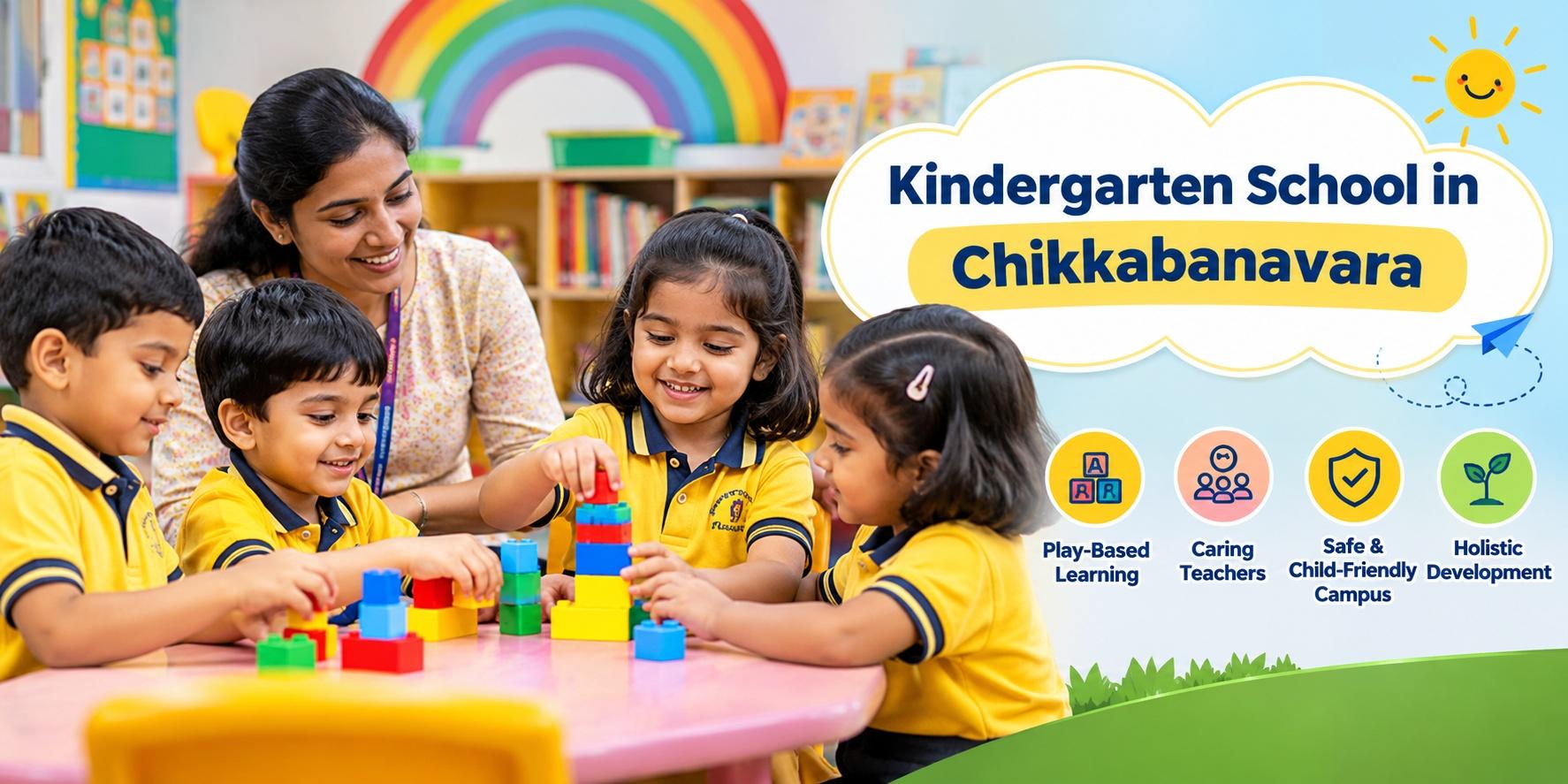
Kindergarten is often a child's first experience of learning and spending time in a structured group environment. Children begin interacting with classmates, following instructions, sharing materials, and participating in daily activities. During this stage, simple classroom rules help them understand what is expected and how to behave respectfully towards others.
Kindergarten Classroom Rules Chikkabanavara is an important topic for parents looking for a school that provides a positive and organised learning environment. Clear, age-appropriate rules help children develop classroom discipline, practise positive behaviour, and follow learning routines. Rather than restricting children, these guidelines teach them how to participate safely, confidently, and cooperatively in everyday school activities.
1. Helps Children Understand Classroom Expectations
Young children are still learning how to behave in different social situations. They may not automatically understand when to speak, how to share materials, or why they should wait for their turn.
Classroom rules provide simple instructions that make these expectations easier to understand. Teachers can introduce guidelines such as:
· Listen when someone is speaking.
· Raise your hand before answering.
· Share toys and learning materials.
· Walk carefully inside the classroom.
· Keep the classroom clean.
· Follow the teacher's instructions.
These rules should be explained in simple language and supported with demonstrations. Picture charts and classroom posters can also help children remember them.
When expectations remain consistent, children gradually become familiar with classroom behaviour and understand how to participate in group activities.
2. Develops Classroom Discipline Through Daily Practice
Classroom discipline helps children understand routines, respect boundaries, and manage their behaviour in different situations. In kindergarten, discipline should focus on guidance and learning rather than strict punishment.
Teachers can introduce discipline through simple everyday practices. For example, children may be encouraged to sit in their designated places during storytelling, arrange their materials before an activity, and return toys after playing.
These small actions help children understand that certain behaviours are appropriate for particular situations.
Teachers should also explain why a rule matters. Instead of simply telling children not to run indoors, they can explain that walking helps everyone stay safe. Understanding the reason behind a rule makes it easier for children to follow it willingly.
3. Encourages Positive Behaviour Towards Classmates
Kindergarten is an important stage for developing social skills. Children begin making friends, sharing resources, participating in group games, and learning how to communicate with others.
Classroom rules can encourage positive behaviour by teaching children to respect their classmates and understand their feelings.
Some useful behaviour guidelines include:
· Use polite words when speaking.
· Share toys and classroom materials.
· Wait patiently for a turn.
· Avoid pushing or hitting others.
· Listen when classmates are sharing ideas.
· Help others during group activities.
Teachers can reinforce these behaviours through storytelling, role-play, and group discussions. For example, a story about sharing can help children understand why taking turns is important.
Positive behaviour should also be recognised. When teachers appreciate children for helping classmates or following instructions, they encourage them to repeat those actions.
4. Creates Better Learning Routines
Children often feel more comfortable when they know what will happen next. Regular learning routines help kindergarten students understand the structure of their school day.
A typical classroom routine may include:
1. Arriving at school and keeping belongings in the correct place.
2. Greeting the teacher and classmates.
3. Participating in morning activities.
4. Attending lessons and completing learning tasks.
5. Following snack and playtime routines.
6. Organising materials before going home.
Following a predictable schedule helps children prepare for different activities and reduces confusion during transitions.
Teachers can use picture schedules, simple instructions, and regular reminders to introduce these routines. Over time, children may begin completing familiar tasks with less assistance.
5. Improves Listening and Communication Skills
Following classroom rules gives children regular opportunities to practise listening and communicating effectively.
For example, a rule about listening when someone speaks teaches children to pay attention to teachers and classmates. A rule about raising hands before answering encourages them to wait for an appropriate opportunity to share their thoughts.
Teachers can support these skills through activities such as storytelling, question-and-answer sessions, music, and group conversations.
Children also learn to express their needs politely. Instead of grabbing a toy from another child, they can practise asking for it. These everyday interactions help develop communication skills that are useful both inside and outside school.
6. Supports Children's Safety Inside the Classroom
Safety rules are an essential part of kindergarten classroom management. Young children are naturally active and curious, so they need simple guidance to understand how to move and behave safely.
Teachers can introduce rules such as:
· Walk instead of running inside the classroom.
· Use toys and learning materials carefully.
· Keep bags and other belongings in designated areas.
· Avoid pushing while standing in a line.
· Inform the teacher if something is broken or unsafe.
· Follow instructions during indoor and outdoor activities.
These guidelines help children recognise situations that may cause accidents. Teachers should also supervise activities, maintain safe classroom arrangements, and ensure that learning materials are suitable for young children.
Safety rules should be repeated regularly so children become familiar with them through practice.
7. Builds Responsibility and Independence
Classroom rules can help children understand that they have responsibilities as members of a group. Simple duties encourage them to take care of their belongings and shared learning spaces.
For example, children can be encouraged to return books after reading, arrange crayons after drawing, and place waste in the dustbin. Teachers may also assign small rotating classroom duties so every child gets an opportunity to participate.
These activities help develop independence and responsibility. Children begin to understand that their actions affect the classroom environment and that everyone can contribute to keeping it organised.
The responsibilities should be appropriate for children's ages and abilities. Teachers should offer assistance when needed rather than expecting young learners to manage every task independently.
8. Helps Children Manage Emotions and Resolve Conflicts
Young children are still learning how to manage disappointment, frustration, and excitement. Disagreements may occur when children share toys, wait for turns, or participate in group activities.
Clear classroom rules can help teachers guide children through these situations.
For example, a rule about using kind words can encourage children to explain their feelings instead of reacting physically. A rule about taking turns can help them understand that everyone deserves an opportunity to participate.
Teachers can use simple conversations and role-play to show children how to:
· Express feelings using words.
· Ask for help when needed.
· Listen to another child's point of view.
· Wait for their turn.
· Apologise when appropriate.
· Find simple solutions to disagreements.
These experiences support emotional development and help children build healthier relationships with classmates.
9. What Parents Should Look for in Kindergarten Classroom Rules in Chikkabanavara
Parents comparing kindergarten schools should understand how classroom rules are introduced and maintained. A school should provide clear expectations while allowing children enough freedom to explore, play, and express themselves.
Consider these points when visiting a school:
1. Age-appropriate rules: Check whether instructions are simple and suitable for young children.
2. Positive discipline: Ask how teachers guide children when they make mistakes or break a rule.
3. Consistent routines: Find out whether the school follows a predictable daily schedule.
4. Teacher interaction: Observe whether teachers explain rules patiently and encourage good behaviour.
5. Safety practices: Check how classroom and playground safety guidelines are followed.
6. Social development: Look for activities that encourage sharing, cooperation, and respect.
7. Parent communication: Ask whether teachers inform parents about children's behaviour and classroom adjustment.
A good kindergarten should balance discipline with kindness, encouragement, creativity, and age-appropriate independence.
Frequently Asked Questions
1. Why are classroom rules important in kindergarten?
Classroom rules help children understand expectations, develop discipline, respect others, follow routines, and participate safely in learning activities.
2. What are some basic classroom rules for kindergarten children?
Basic rules include listening to teachers, sharing materials, waiting for turns, keeping the classroom clean, walking indoors, and using polite language.
3. How do classroom rules encourage positive behaviour?
They teach children how to interact respectfully, cooperate with classmates, manage disagreements, and understand the importance of considerate behaviour.
4. Should kindergarten classroom rules be strict?
Rules should be clear and consistent but not unnecessarily strict. Young children learn better through patient explanations, positive encouragement, and regular practice.
5. What should parents check about classroom discipline in a kindergarten school in Chikkabanavara?
Parents should ask about teaching methods, behaviour guidance, daily routines, safety practices, and how teachers encourage children to follow classroom expectations.
Conclusion
Classroom rules play an important role in creating a safe, organised, and supportive kindergarten environment. They help children understand expectations, develop classroom discipline, practise positive behaviour, and follow daily learning routines. Through consistent guidance and encouragement, children gradually learn to respect others, manage their actions, and take responsibility for simple tasks.
When choosing a kindergarten school in Chikkabanavara, parents should look for an environment where rules are taught with patience and kindness. A balanced approach to classroom discipline can help children enjoy learning while developing the social and behavioural skills they need for future education.

 English
 Arabic
 French
 Spanish
 Deutsch
 Turkish
 Dutch
 Italiano
 Russian
 Romaian
 Portuguese (Brazil)
 Greek