


An Accessible Minivan Deserves a Careful Exit When It Can No Longer Serve
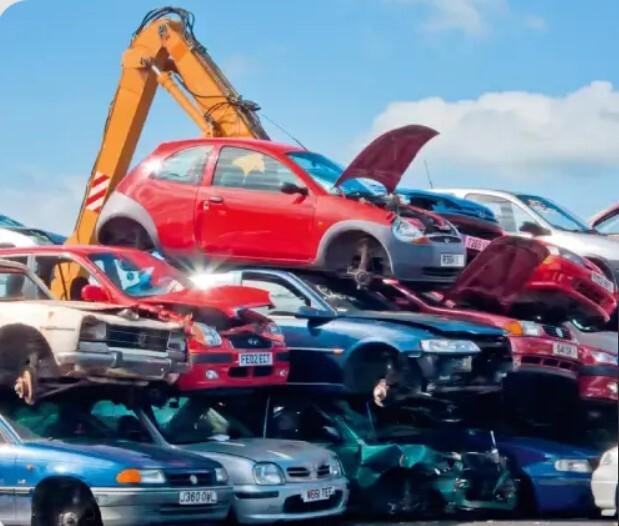
A wheelchair-accessible minivan is often more than a vehicle. Its ramp, securement system, lowered floor, or transfer equipment may have made daily appointments, family outings, and ordinary errands possible. When the van becomes unreliable, arranging Scrap Car Removal Mississauga may be one option, but it should not be the first decision made in haste. Adaptive equipment can have separate value, ownership terms, and safety requirements that deserve attention before the entire vehicle is sent away.
Start by identifying what is permanently installed and what can be removed. Some ramps and floor conversions are integral to the structure, while certain seats, portable ramps, control devices, and other accessories may belong to the user rather than the vehicle. Check invoices, installation records, and any funding agreements. Equipment provided through a support program, insurer, or third party may carry conditions about transfer, disposal, or ownership. Do not promise an accessory to a buyer until those questions are settled.
Have a qualified technician assess the vehicle's mechanical condition independently of its accessibility features. A healthy ramp does not compensate for dangerous corrosion or repeated drivetrain failure. Conversely, an older van with manageable mechanical problems may be valuable to someone who needs its particular conversion. The correct comparison includes the cost of repairs, available replacement transportation, and the remaining service life of the adaptive equipment. An ordinary used-vehicle price guide may not capture those details accurately.
Safety is particularly important when dismantling accessibility equipment. Wheelchair securement points, restraint systems, lifts, ramps, and modified seating can involve specialized mounting hardware or structural alterations. Removing them without professional guidance may damage the vehicle or the equipment. A device that looks reusable could require inspection, recalibration, or manufacturer-approved installation before being fitted elsewhere. Ask an experienced mobility equipment provider whether salvage, transfer, or refurbishment is appropriate for the specific model.
Consider the transition for the person who relies on accessible transportation. If the old van is their main travel option, arrange an alternative before scheduling collection. That might involve a replacement vehicle, a suitable accessible transportation service, or help from a care provider. The exact solution varies, and it should be based on the person's real travel routine rather than an assumption that a standard taxi or family car will work. An orderly transition is often more valuable than an earlier pickup date.
Once the equipment and ownership decisions are made, request a scrap quote based on the actual vehicle. Tell the buyer about the lowered floor, specialized body components, nonstandard dimensions, and any equipment that will remain installed. These modifications can affect both valuation and recovery logistics. Ask whether a tow truck can safely handle the van in its present condition. TooGood2Scrap can discuss removal in Mississauga, but the company should be given a complete description before a price or appointment is confirmed.
Before releasing the vehicle, remove personal medical papers, parking permits, identification, and any accessible parking permit that belongs to an individual. Keep the transaction record and follow Ontario requirements for plate handling, ownership transfer, and insurance notification. A van that provided independence deserves a respectful final transaction. Taking time to handle its equipment correctly can help preserve useful items while closing out the vehicle's obligations responsibly.
If you plan to sell any adaptive equipment separately, ask a qualified supplier about its condition, compatibility, and applicable reuse requirements. A ramp that worked in one conversion may not fit another, and restraints or lifts may need professional inspection before further use. Keep manuals, service history, and installation records with the equipment wherever possible. Those records can make a thoughtful transfer easier while reducing the chance of unsafe assumptions by the next owner.
Conclusion
An accessible vehicle's value cannot be judged from its scrap metal alone. Mechanical condition, specialized equipment, funding terms, and the user's transportation needs all matter when deciding whether recycling is appropriate.
Call to Action
TooGood2Scrap can discuss a quote for an aging accessible van in Mississauga after equipment ownership and transport needs have been addressed.
Visit: https://toogood2scrap.ca/

 English
 French
 Spanish
 Portuguese
 Deutsch
 Turkish
 Dutch
 Italiano
 Russian
 Romaian
 Portuguese (Brazil)
 Greek