


DG Furniture: How Leading Museum Showcase Manufacturers Design for Conservation
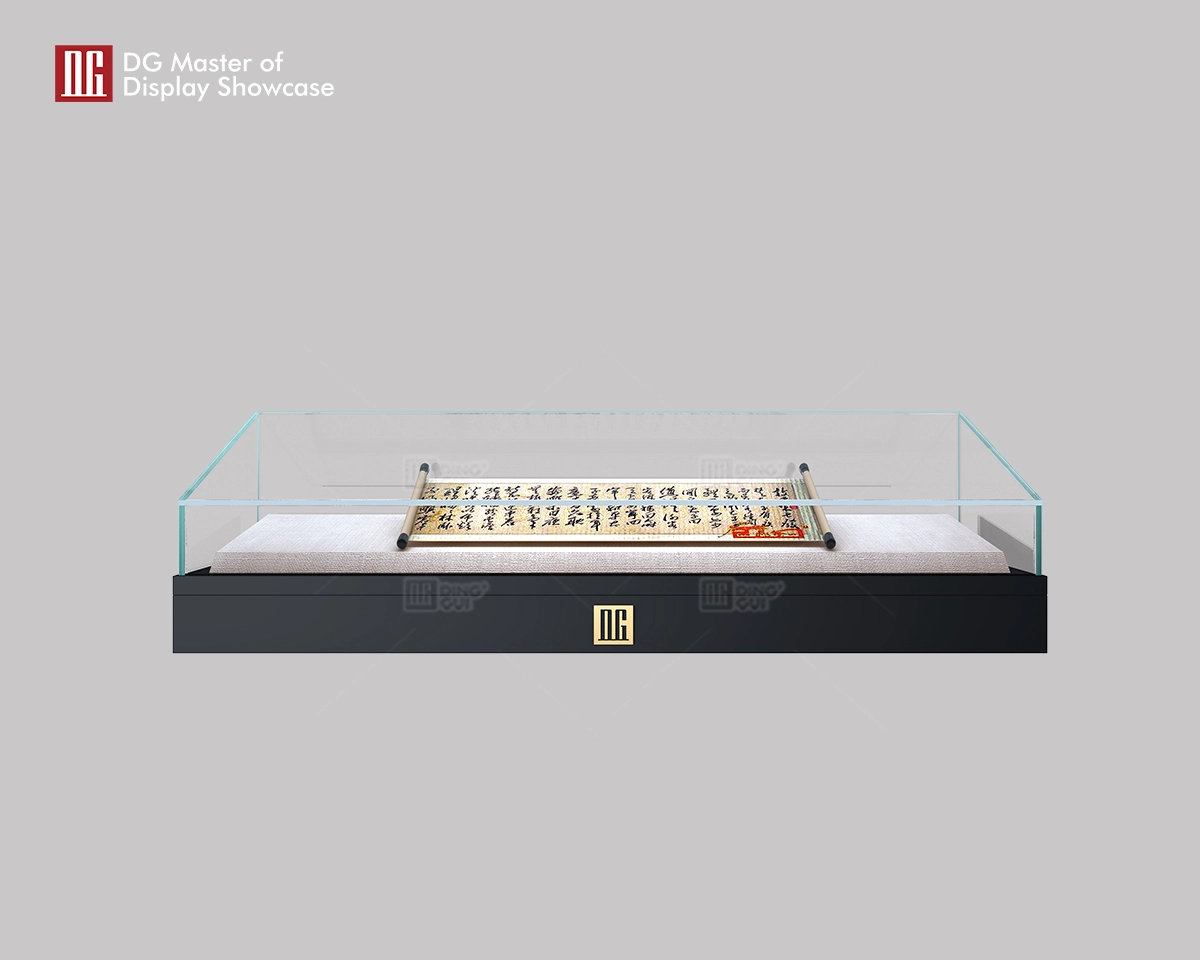
Museum display cases carry a responsibility that goes well beyond simple presentation, since every material choice and structural detail directly affects whether irreplaceable artifacts survive decades of continuous exhibition without degradation. Among museum showcase manufacturers working at this level, DG Furniture has developed genuine expertise in balancing conservation science with the practical realities of exhibition design, helping institutions protect their collections while still presenting them compellingly to the public. Understanding how conservation-focused design actually works helps curators and facility managers make more informed decisions when specifying new display equipment.
Understanding Why Conservation Drives Every Design Decision
Conservation requirements shape nearly every aspect of museum showcase design, from the specific glass formulation used to the internal materials selected for case construction, since even seemingly minor choices can introduce chemical off-gassing or environmental instability that gradually damages sensitive artifacts over time. Manufacturers who genuinely understand conservation science select inert materials, avoid adhesives and finishes known to release harmful compounds, and test their construction methods against established museum conservation standards before cases ever reach an actual exhibition floor. Institutions should request documentation of these material tests rather than accepting general assurances, since verified compliance genuinely matters when protecting irreplaceable collections.
Controlling Microclimate Within Display Cases
Effective museum showcases create a controlled microclimate within their sealed interior, buffering artifacts from the fluctuating humidity and temperature conditions that exist in the broader gallery space, which can otherwise stress organic materials like textiles, paper, and wood over extended exhibition periods. Achieving this control requires precise sealing engineering along with, in many cases, integrated silica gel conditioning systems or humidity buffering materials that maintain stable internal conditions regardless of seasonal changes happening throughout the surrounding building. Even a modest temperature swing in an unconditioned gallery space can meaningfully stress organic artifacts if the display case itself doesn't buffer this fluctuation effectively.
Filtering Light to Prevent Artifact Damage
Light exposure represents one of the most significant threats to sensitive artifacts, particularly textiles, watercolors, and dyed materials that fade irreversibly under prolonged exposure to ultraviolet and even certain visible light wavelengths. Quality museum showcase construction incorporates UV-filtering glass or acrylic glazing along with carefully calibrated LED lighting systems that illuminate artifacts effectively while minimizing the cumulative light exposure that causes this kind of gradual, irreversible fading over years of continuous display. Institutions displaying textiles or watercolors should discuss specific light exposure budgets directly with manufacturers before finalizing any lighting specification for a new exhibition.
Balancing Security With Genuine Artifact Accessibility
Museum showcases need to provide genuine security against theft and tampering while still allowing conservators reasonable access for condition monitoring, cleaning, and eventual artifact rotation, creating a design challenge that requires thoughtful engineering rather than simply maximizing lock complexity at the expense of practical access. Manufacturers experienced in this balance develop locking and access mechanisms that satisfy institutional security requirements without making routine conservation work unnecessarily difficult for curatorial staff. Testing a proposed access mechanism firsthand during the design phase helps confirm it genuinely supports the routine handling conservation work actually requires.
Supporting Long-Term Institutional Value
A well-designed museum showcase represents a genuine long-term investment, since quality construction and materials allow institutions to reuse cases across multiple exhibitions over many years rather than replacing display equipment with each new curatorial rotation. This durability consideration matters considerably for museum budgets, making the initial investment in genuinely conservation-grade construction a more economical choice over time than cheaper alternatives that might need replacement far sooner. Institutions comparing quotes should factor this expected service life into their overall cost evaluation rather than focusing purely on upfront purchase price.
Choosing Manufacturers Who Understand These Stakes
Institutions selecting a showcase manufacturer benefit from prioritizing genuine conservation expertise alongside structural and aesthetic considerations, since the stakes involved in protecting irreplaceable collections considerably exceed those of typical retail or commercial display applications. Museums that invest time evaluating manufacturers against these conservation-specific criteria ultimately protect their collections more effectively than those choosing based on appearance or price alone, positioning their exhibitions for genuine long-term success. This kind of upfront diligence consistently pays off across the many years a well-built showcase remains in active service.

 English
 Arabic
 French
 Spanish
 Portuguese
 Turkish
 Dutch
Dutch
 Italiano
 Russian
 Romaian
 Portuguese (Brazil)
 Greek
Greek