


Soma 350mg Withdrawal Symptoms: The Hidden Signs Most Patients Ignore Until It’s Too Late
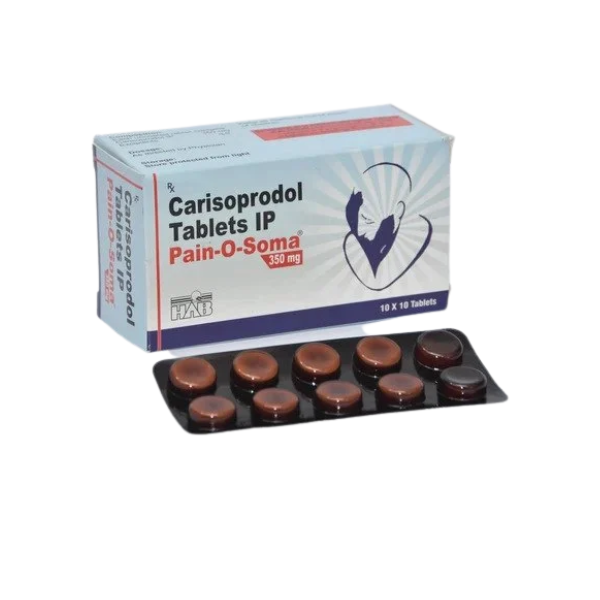
Soma 350mg Withdrawal Symptoms: The Hidden Signs Most Patients Ignore Until It’s Too Late
Most patients think withdrawal only happens with opioids or illegal drugs.
That assumption is exactly why so many Soma users are caught off guard. Soma 350mg withdrawal symptoms can begin with trouble sleeping, increased anxiety, shaking hands, strange restlessness, sudden rebound muscle pain, or feeling emotionally overwhelmed after stopping the medication. Many people mistake these symptoms for stress, poor sleep, or worsening injury instead of recognising them as nervous system withdrawal.
The problem is not simply the medication itself. The real issue is that many patients are prescribed Soma 350mg with very little explanation about dependence, brain adaptation, or the reason doctors limit the medication to short-term use.
This guide explains the hidden withdrawal signs, the psychology behind dependence, the neurological effects of Soma, and why stopping suddenly can feel far more intense than many patients expect.
What is Soma 350mg, and Why Can Withdrawal Happen?
Soma is the brand name for carisoprodol, a centrally acting skeletal muscle relaxant prescribed for short-term treatment of acute muscle pain and spasm.
While many patients think Soma works only on muscles, its strongest effects actually occur inside the central nervous system.
The Important Brain Chemistry Most Patients Never Hear About
After ingestion, the liver converts Soma into meprobamate, a sedative compound historically used as an anti-anxiety medication.
Meprobamate affects GABA-related pathways in the brain, producing:
-
Sedation
-
Muscle relaxation
-
Reduced nervous system activity
-
Emotional calming
-
Sleepiness
-
Anxiety reduction
Over time, the brain adapts to this sedative signalling.
When the medication suddenly stops, the nervous system can become temporarily overactive.
That rebound effect is what creates Soma withdrawal symptoms.
The Hidden Soma 350mg Withdrawal Symptoms Patients Often Ignore
Many people expect dramatic withdrawal symptoms immediately.
Instead, Soma withdrawal often begins subtly.
Early Withdrawal Signs
|
Symptom |
Why It Happens |
|
Insomnia |
Nervous system rebound overstimulation |
|
Anxiety |
Reduced sedative signalling in the brain |
|
Tremors |
CNS (Central Nervous System) hyperactivity during adjustment |
|
Sweating |
Autonomic nervous system activation |
|
Irritability |
Neurochemical instability |
|
Fast heartbeat |
Rebound sympathetic activity |
|
Nausea |
CNS and autonomic imbalance |
|
Muscle tension |
Rebound spasm activity |
Why Soma 350mg Withdrawal Feels Worse at Night
One of the most commonly reported withdrawal patterns is nighttime worsening.
Patients often describe:
-
Racing thoughts
-
Sudden panic
-
Inability to relax
-
Muscle twitching
-
Rebound pain
-
Restlessness
-
Repeated waking
This happens because Soma’s sedative effects become psychologically linked to the body’s sleep cycle.
Once the medication disappears, the nervous system struggles to maintain the same relaxation state naturally.
The Psychology Behind Nighttime Withdrawal
Many patients unknowingly develop behavioral dependence patterns such as:
-
Associating Soma with emotional calmness
-
Relying on Soma for sleep initiation
-
Feeling unsafe sleeping without medication
-
Fear of pain returning overnight
The emotional component of withdrawal is often just as powerful as the physical symptoms.
The 3-Week Rule and Dependence Risk
Doctors usually prescribe Soma for only 2–3 weeks. That limitation exists because prolonged use increases the risk of:
-
Tolerance
-
Dependence
-
Sedation accumulation
-
Cognitive slowing
-
Withdrawal symptoms
-
Emotional reliance
At Safe4cure, we also bring you other pain treatment options like Tapentadol. These are also prescription medicines targeting mainly neuropathic pain.
Do not change or alter the medicine or its dosage without consulting a doctor.
Real Patient Story: The Withdrawal Symptoms Sarah Misunderstood
Sarah was prescribed Soma 350mg after a severe lower back strain. For nearly three weeks, she took the medication exactly as prescribed. She slept better, her muscles relaxed, and she finally felt mentally calm after months of physical stress.
When the prescription ended, she stopped abruptly because she assumed short-term use meant zero withdrawal risk.
Within two nights, she developed:
-
Severe insomnia
-
Restlessness
-
Increased heart rate
-
Intense muscle tension
-
Panic-like anxiety
At first, she believed her back injury was worsening. Her physician later explained that her nervous system had adapted to Soma’s sedative effects, creating temporary rebound hyperactivity after discontinuation.
After gradual recovery strategies, sleep stabilization, hydration, and physician-guided management, her symptoms improved over the following weeks.
Sarah’s experience is common because patients are often warned about drowsiness but not withdrawal.
Soma Withdrawal vs Addiction: Understanding the Difference
Many patients fear the word “addiction.”
But withdrawal and addiction are not always identical.
Physical Dependence
The body adapts neurologically to regular medication exposure.
Stopping suddenly causes rebound symptoms.
Addiction
Addiction involves:
-
Compulsive use
-
Cravings
-
Loss of control
-
Continued use despite harm
-
Psychological obsession
A patient can experience withdrawal without meeting the clinical definition of addiction.
However, emotional dependence may still develop gradually.
Dangerous Withdrawal Risks Patients Should Never Ignore
Severe Soma withdrawal can become medically serious in some individuals.
Potential complications include:
-
Severe agitation
-
Hallucinations
-
Elevated blood pressure
-
Seizures
-
Extreme insomnia
-
Intense panic symptoms
Risk increases with:
-
High doses
-
Long-term use
-
Alcohol combination
-
Opioid combination
-
Benzodiazepine use
-
Abrupt discontinuation
This is why physician supervision matters during discontinuation.
Safer Recovery Strategies Patients Commonly Use
Patients recovering from Soma dependence often benefit from structured recovery support.
Common Physician-Guided Strategies
-
Gradual tapering instead of abrupt stopping
-
Sleep stabilisation routines
-
Hydration support
-
Stress reduction
-
Physical therapy
-
Gentle movement recovery
-
Reduced caffeine intake
-
Consistent bedtime scheduling
Behavioural recovery matters too.
Many patients must retrain the nervous system to relax naturally without relying on medication-induced sedation.
Final Verdict: Are Soma 350mg Withdrawal Symptoms Serious?
They can be. For some patients, withdrawal symptoms remain mild and temporary. For others, especially after prolonged or repeated use, the nervous system rebound can become physically and emotionally overwhelming.
The hidden danger is that many patients mistake withdrawal symptoms for stress, worsening injury, or insomnia instead of recognising the role the medication played in nervous system adaptation.
Understanding the psychology, timing, and neurological effects behind Soma withdrawal gives patients a safer path toward recovery and reduces the risk of dangerous self-management decisions.
Medical Disclaimer
This article is for educational purposes only and not medical advice. Soma (carisoprodol 350mg) may cause dependence, withdrawal symptoms, sedation, and dangerous interactions with alcohol or other CNS depressants. Never stop abruptly or change your dosage without medical supervision. Seek immediate medical help in case of severe side effects or overdose.

 English
 French
 Spanish
 Portuguese
 Deutsch
 Turkish
 Dutch
Dutch
 Italiano
 Russian
 Romaian
 Portuguese (Brazil)
 Greek
Greek