


Hair Fall Treatment in Pakistan: Causes, Natural Remedies, and Best Hair Care Tips
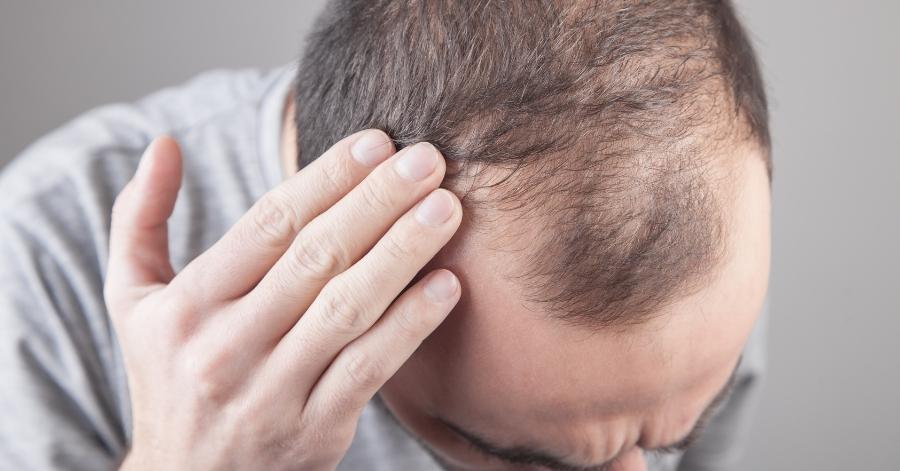
Hair fall is one of the most common hair problems in Pakistan, affecting both men and women. From excessive hair shedding and thinning to weak roots and a receding hairline, hair loss can affect confidence and overall appearance. Factors such as stress, nutritional deficiencies, hormonal changes, pollution, harsh hair products, and poor hair care habits can contribute to the problem.
Finding the right hair fall treatment in Pakistan starts with understanding why your hair is falling and choosing a suitable treatment. Whether you prefer natural remedies, hair oils, dermatologist-recommended products, or lifestyle changes, a consistent hair care routine can help improve scalp health and reduce preventable hair breakage.
In this guide, we will explore common causes of hair fall, effective treatments, natural remedies, and practical tips for healthier-looking hair.
1. Common Causes of Hair Fall in Pakistan
Before choosing a treatment, it is important to identify the underlying cause of hair loss.
Nutritional Deficiencies: Iron, protein, zinc, vitamin D, and vitamin B12 deficiencies can contribute to hair thinning and excessive shedding. Poor dietary habits may prevent hair follicles from receiving the nutrients they need.
Stress and Lifestyle: Physical or emotional stress, lack of sleep, and sudden changes in weight can trigger temporary hair shedding, commonly known as telogen effluvium.
Hormonal Changes: Pregnancy, childbirth, thyroid disorders, and hormonal conditions such as PCOS can affect the hair growth cycle.
Environmental Pollution: Dust, smoke, sunlight, and environmental pollutants can affect scalp cleanliness and hair condition.
Excessive Heat and Styling: Frequent straightening, blow-drying, tight hairstyles, and chemical treatments can weaken hair strands and cause breakage.
Genetics: Hereditary hair loss is another common cause. Male and female pattern hair loss can gradually reduce hair density over time.
2. Best Hair Fall Treatment in Pakistan
The most effective treatment depends on the type and cause of hair loss. Here are some practical approaches.
Use a Suitable Anti-Hair Fall Shampoo
Choose a gentle shampoo that cleans the scalp without excessively drying your hair. If you have dandruff, itching, or scalp irritation, look for products formulated for that specific concern.
Avoid washing your hair with excessively hot water, as it can make dry hair more fragile. Wash according to your scalp type and hair needs.
Apply Natural Hair Oils
Hair oils can help condition dry hair, reduce friction, and improve manageability. Some commonly used options include:
-
Coconut Oil: Helps reduce protein loss from hair and conditions dry strands.
-
Olive Oil: Provides moisture and helps soften rough hair.
-
Castor Oil: A thick oil commonly used in traditional hair care routines, although strong clinical evidence for hair regrowth is limited.
-
Onion Oil: Popular in traditional hair care for maintaining scalp and hair health, but evidence that it treats hair loss is limited.
-
Almond Oil: Helps condition dry hair and improve softness.
Apply a small amount of suitable oil to your scalp or hair lengths, depending on your needs. Massage gently without scratching or pulling your hair. Wash it out when needed.
Consider Dermatologist-Recommended Treatments
Some types of hair loss respond to medical treatments.
Minoxidil is a commonly recommended topical treatment for certain forms of hereditary hair loss in men and women. It requires consistent use, and results can take several months. It may not be suitable for everyone, so consult a dermatologist before starting.
For men with hereditary hair loss, doctors may also consider prescription treatments such as finasteride after discussing potential benefits and side effects.
3. Natural Home Remedies for Hair Fall
Natural ingredients can support a healthy hair care routine, particularly when dryness and breakage are contributing to the problem.
Aloe Vera
Aloe vera is commonly used to soothe and moisturise the scalp. Apply a small amount of pure aloe vera gel, leave it for around 15–20 minutes, and rinse thoroughly. Perform a patch test first, especially if you have sensitive skin.
Coconut Oil Massage
Coconut oil is useful for conditioning hair and reducing protein loss. Gently massage a small quantity into your hair before washing. Avoid aggressive rubbing, which can increase breakage.
Onion-Based Hair Care
Onion juice is sometimes used as a traditional remedy for hair concerns. However, research supporting its effectiveness for common hair loss conditions is limited. It may also irritate sensitive skin, so use caution and discontinue if irritation occurs.
Healthy Scalp Care
A clean, comfortable scalp is important for maintaining healthy hair. Avoid excessive oil buildup, harsh scrubbing, and products that cause itching or irritation.
Remember that home remedies cannot reverse every type of hair loss. Persistent or severe shedding requires proper medical evaluation.
4. Eat a Healthy Diet for Stronger Hair
Nutrition plays an important role in healthy hair growth. A balanced Pakistani diet can provide many of the nutrients needed to support normal hair function.
Include these foods in your daily meals:
-
Eggs: Provide protein and biotin.
-
Spinach: Contains iron, folate, and other nutrients.
-
Fish: Provides protein and omega-3 fatty acids.
-
Almonds and Walnuts: Supply healthy fats and vitamin E.
-
Daal and Beans: Affordable sources of plant-based protein and iron.
-
Yogurt: Provides protein and other essential nutrients.
-
Dates: Offer energy and minerals as part of a balanced diet.
-
Pumpkin Seeds: Contain zinc, magnesium, and healthy fats.
Avoid crash dieting and restrictive eating patterns. If you suspect a nutritional deficiency, consult a healthcare professional about appropriate testing and treatment.
5. Daily Hair Care Tips to Prevent Hair Fall
Small changes in your everyday routine can help reduce unnecessary hair breakage.
-
Avoid Tight Hairstyles: Tight ponytails, buns, and braids can cause traction-related hair loss.
-
Use a Wide-Tooth Comb: Gently detangle wet hair to minimise breakage.
-
Reduce Heat Styling: Limit straighteners, curling irons, and high-temperature blow-drying.
-
Avoid Harsh Chemicals: Excessive bleaching, colouring, and chemical treatments can weaken hair.
-
Wash Your Scalp Regularly: Choose a shampoo suitable for your scalp condition.
-
Get Enough Sleep: Aim for a consistent sleep schedule.
-
Manage Stress: Walking, exercise, meditation, and relaxation can support overall well-being.
Consistency matters more than using several hair products at once.
6. When Should You See a Dermatologist?
Not all hair loss can be treated with oils or shampoos. You should consult a dermatologist if you experience:
-
Sudden or excessive hair shedding.
-
Circular bald patches.
-
A rapidly receding hairline.
-
Persistent scalp itching, redness, or scaling.
-
Hair loss accompanied by fatigue or other unexplained symptoms.
-
Gradually increasing hair thinning.
-
Hair loss that continues despite improving your hair care routine.
A dermatologist may recommend blood tests to check iron levels, thyroid function, or other possible causes. Treatment should address the underlying condition rather than simply covering up the symptoms.
7. How Long Does Hair Fall Treatment Take?
Hair fall treatment requires patience. Hair growth follows a natural cycle, so improvements are not usually immediate.
Some people notice reduced shedding within a few months after treating the underlying cause. Treatments for hereditary hair loss may take three to six months or longer to show visible results.
Keep in mind that results vary depending on the cause, treatment, and individual hair growth cycle. Taking monthly photographs can help you monitor changes more accurately.
Conclusion
Finding the right hair fall treatment in Pakistan requires understanding the cause of hair loss and following a consistent approach. Natural hair oils, gentle shampoos, balanced nutrition, and healthy lifestyle habits can support scalp health and reduce preventable hair breakage.
However, persistent, sudden, or hereditary hair loss may require professional treatment. Rather than relying on one miracle oil or shampoo, focus on a complete hair care routine and seek medical advice when necessary.
Healthy hair starts with healthy habits, proper nutrition, and the right treatment for your individual needs.

 English
 Arabic
 French
 Spanish
 Portuguese
 Deutsch
 Turkish
 Italiano
 Russian
 Romaian
 Portuguese (Brazil)
 Greek