


Life Skills Program for Adults: Building Independence and Everyday Confidence
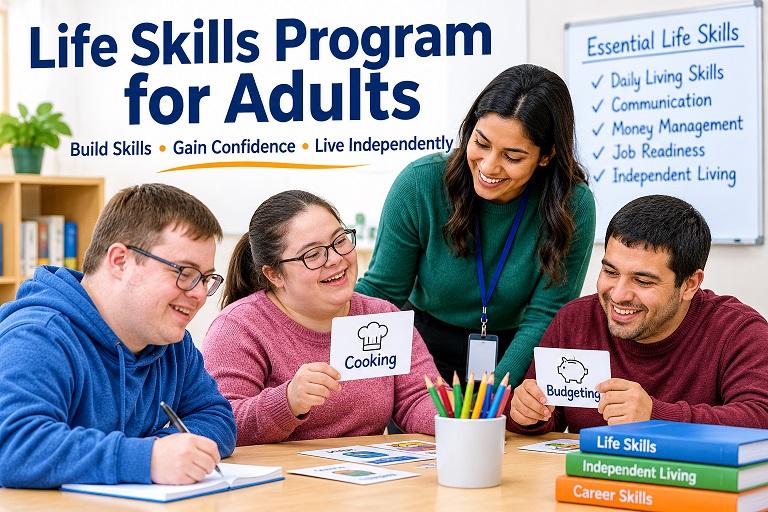
Everyday independence grows through practice, patience, and opportunities to make meaningful choices. A life skills program for adults can help people with developmental disabilities develop routines that make daily responsibilities easier to manage. For autistic individuals, the most useful support respects communication preferences, sensory needs, and personal ambitions. Rather than treating everyone alike, well-planned activities connect practical learning with the things each person wants to accomplish.
Why Life Skills Matter in Adulthood
Adults make decisions throughout the day, from planning meals to arranging transportation. These choices may involve several smaller steps, and unfamiliar tasks can feel overwhelming without clear guidance. Structured practice allows people to learn one skill at a time, revisit it when necessary, and apply it in real situations.
Start With Goals That Feel Relevant
A useful starting point is asking what the individual hopes to do more independently. Someone may want to prepare breakfast, while another hopes to shop with greater confidence. Goals rooted in genuine interests are easier to understand and more motivating than tasks chosen without personal input.
Practical Skills for Daily Routines
Cooking, laundry, cleaning, personal organization, and scheduling are familiar responsibilities that offer valuable learning opportunities. A shopping activity, for example, can involve creating a list, finding items, making choices, and checking that everything is ready before returning home.
Break Complex Tasks Into Manageable Steps
Visual instructions, demonstrations, written reminders, and repeated practice can make multistep activities clearer. Supporters may first model a task, then encourage the adult to complete selected stages. As confidence grows, prompts can gradually change without rushing progress or removing necessary assistance.
Communication and Self-Advocacy
Independence also includes communicating preferences, asking questions, setting boundaries, and requesting support. Speech, writing, gestures, and assistive communication methods are all valid ways to participate. Activities should create space for adults to express what works for them instead of assuming that one communication style suits everyone.
Give Choices Real Meaning
Choosing a hobby, planning an outing, or deciding how to organize a routine encourages decision-making. Adults should also be able to decline an activity or request a break. These opportunities reinforce the idea that personal autonomy matters as much as completing a task correctly.
How Programs for Adults With Autism Can Help
Thoughtfully designed programs for adults with autism may offer opportunities to practise practical skills, explore interests, and participate in community life. Some adults benefit from predictable routines or quieter spaces, while others enjoy varied group experiences. Individual support should reflect those differences without setting unnecessary limits on participation.
Learning Beyond the Classroom
Libraries, grocery stores, parks, and recreation spaces can become useful learning environments. Real-world outings allow adults to practise navigation, planning, communication, and problem-solving while enjoying activities with a clear purpose. Familiar places may also become easier to access through consistent, positive experiences.
Building Confidence Through Community Connections
Shared interests can create comfortable social opportunities. Cooking groups, art projects, walking clubs, and volunteer activities give people something to do together. Participation does not have to mean joining a large crowd; a small group or one trusted companion may be a better fit.
Make Accessibility Part of Planning
Noise levels, lighting, transportation, physical access, instructions, and activity duration can affect comfort. Checking these details beforehand helps remove avoidable barriers. Flexible pacing and opportunities for rest can also make learning more enjoyable and sustainable.
Recognizing Progress Without Comparisons
Skill development rarely follows a straight line. Someone might master one routine quickly and need more time with another. Progress can mean completing an extra step, speaking up about a preference, or approaching a new experience with less hesitation. Celebrating these changes helps keep expectations realistic.
Conclusion
A life skills program for adults can offer more than practice with household responsibilities: it can support confidence, communication, community participation, and meaningful choice. Likewise, programs for adults with autism are most valuable when they adapt to the individual rather than the reverse. With respectful guidance and opportunities to learn at a comfortable pace, adults can build practical abilities while shaping everyday life around their own interests and goals.

 English
 Arabic
 French
 Spanish
 Portuguese
 Deutsch
 Dutch
 Italiano
 Russian
 Romaian
 Portuguese (Brazil)
 Greek