


The Pros and Cons of Using Cedar Boards for Your Next Project
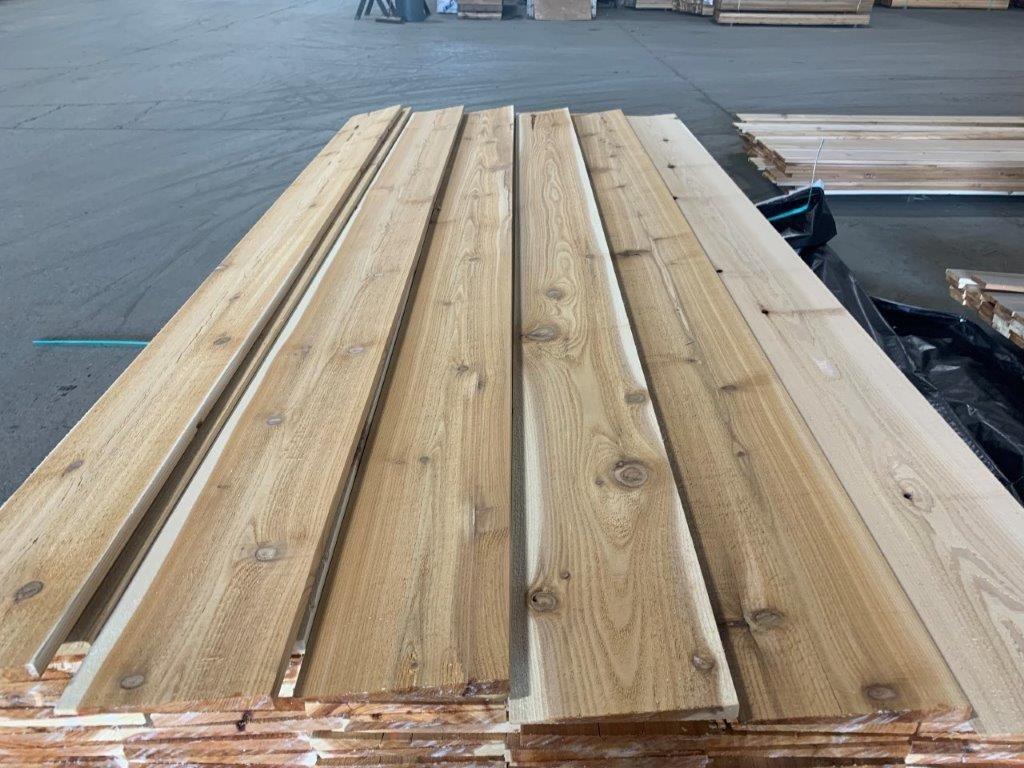
You want a natural look in your home, and love the color and warmth of wood material; so why not cedar? Cedar boards are a popular choice for woodworking and construction projects because they offer a combination of natural beauty, outdoor durability, and easy workability.
From backyard fences and deck projects to furniture, siding, and decorative features, cedar has plenty to offer. Still, it's not the right material for every job. Understanding the different cedar species, along with their strengths and limitations, can help you decide whether this wood is a good fit for your plans.
What Are the Different Types of Cedar?
Two commonly used varieties are Western Red Cedar and Eastern Red Cedar. Although they share some characteristics, they have distinct appearances, scents, and typical applications.
Western Red Cedar is widely used for outdoor construction. Its natural resistance to moisture, decay, and insects makes it a practical option for siding, shingles, decking, fencing, and exterior trim. It has a relatively mild scent and a warm, reddish-brown appearance that works well with both traditional and contemporary designs.
Eastern Red Cedar is known for its distinctive aroma and attractive color, which can include reddish and purplish tones. It's often used for closet linings, cedar chests, storage boxes, birdhouses, and decorative woodwork. Its natural scent makes it especially appealing for projects involving enclosed storage spaces.
Availability varies by region. Western Red Cedar is generally easier to find through lumberyards and home improvement stores, while Eastern Red Cedar lumber may be harder to source depending on where you live.
The Advantages of Using Cedar Boards
One of cedar's biggest selling points is its natural durability. Western Red Cedar contains naturally occurring compounds that help it resist rot, decay, and insect damage. This makes it especially useful for outdoor projects where ordinary lumber may deteriorate more quickly.
Cedar is also relatively lightweight and easy to work with. It cuts, sands, and shapes without requiring specialized equipment, making it approachable for DIY woodworkers and experienced builders alike. Its natural grain and knots give finished projects a distinctive character, so even simple designs can look appealing.
Another advantage is its environmental profile. Cedar is a renewable wood product, biodegradable at the end of its useful life, and a practical alternative to certain synthetic building materials. Its natural appearance also brings warmth that plastic or composite imitations may struggle to match.
What Are the Disadvantages?
Cedar is a softwood, which means it can dent, scratch, and mark more easily than harder species such as oak. That makes it less suitable for furniture that receives heavy daily use, including dining tables, workbenches, and high-traffic flooring.
Finishing cedar can also take some extra effort. Its porous surface may absorb oils and coatings unevenly, sometimes requiring additional applications to achieve a consistent appearance. Some woodworkers prefer leaving Eastern Red Cedar unfinished to preserve its natural scent.
Cost and availability are other factors to consider. Western Red Cedar is generally accessible, but pricing can be higher than common construction lumber. Eastern Red Cedar may require a specialty supplier, depending on your location.
Finally, always use appropriate eye and respiratory protection when cutting or sanding cedar. Wood dust can irritate the respiratory system, so good dust collection and a suitable respirator are important.
Why Western Red Cedar Is a Great Building Material
Western Red Cedar stands out for outdoor applications because it combines natural resistance to the elements with dimensional stability. When properly installed and maintained, it is less prone to warping and movement than many other wood options. Its warm color, attractive grain, and long history of outdoor use make it a dependable choice for decks, fences, siding, and pergolas.
For homeowners and contractors looking for a material that balances appearance and performance, it's hard to overlook the advantages of this species.
Find the Right Cedar Board for Your Project
You might be building a garden feature, adding exterior trim, or making custom furniture; choosing the right species makes a difference. Consider the project's location, expected wear, finish, and budget before buying. With its natural character and proven outdoor performance, Cedar boards offer a versatile option for projects that deserve the warmth and appeal of real wood.
For More Information About Tongue And Groove Boards and Wood For A Butcher Block Please Visit: Empire Real Lumber.

 English
 Arabic
 French
 Portuguese
 Deutsch
 Turkish
 Dutch
 Italiano
 Russian
 Romaian
 Portuguese (Brazil)
 Greek