


Understanding the Significance of Aarti Timing in Baglamukhi Temples
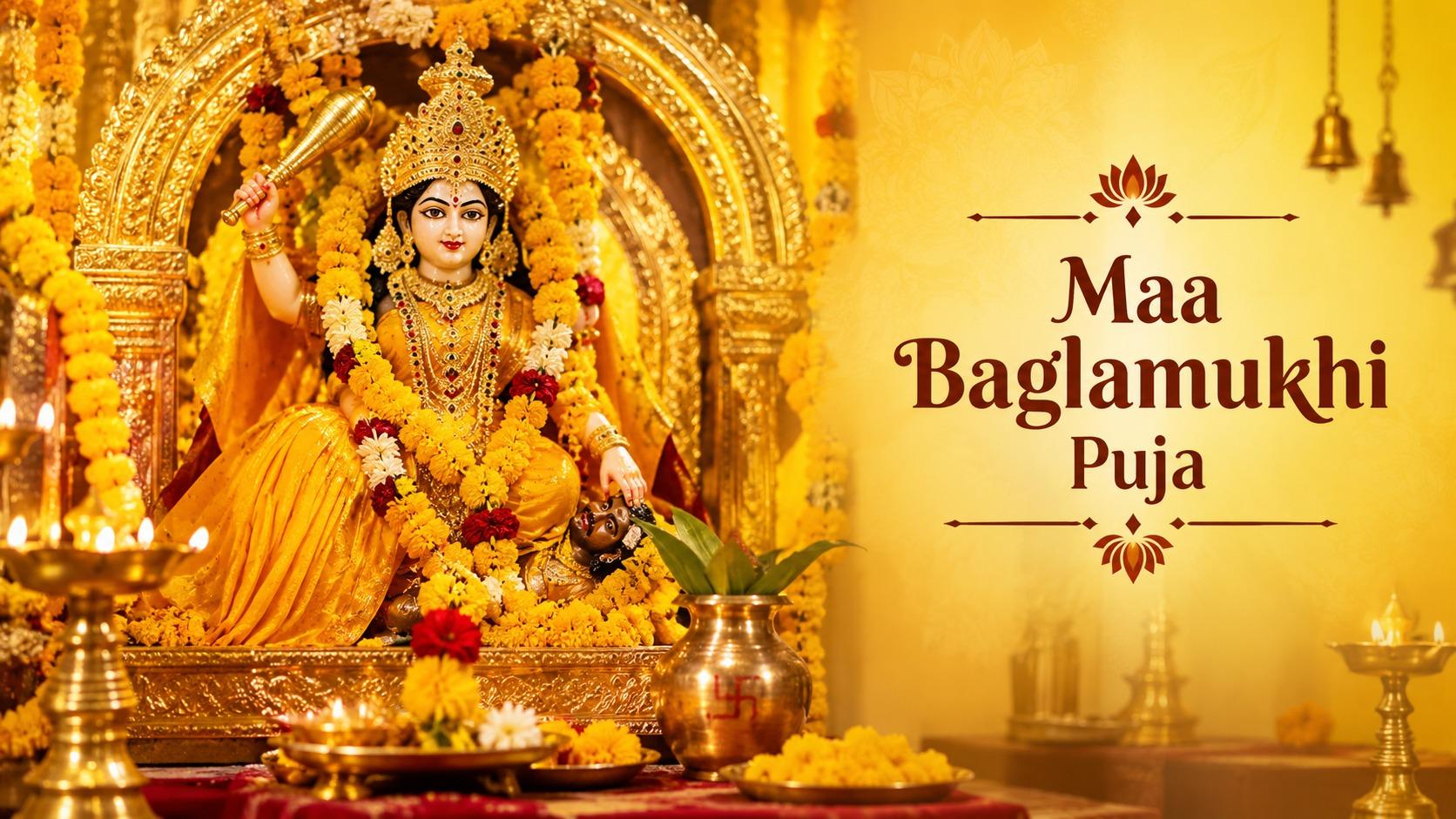
Aarti is an important part of Hindu worship and is performed in temples as an expression of devotion and reverence towards the deity. In Maa Baglamukhi temples, aarti brings devotees together for prayer, devotional singing, and traditional worship. The timing of this ritual is often connected with the temple's daily routine, established customs, and special religious occasions.
Understanding Baglamukhi puja aarti timing helps devotees plan their temple visits and participate respectfully in worship. Although many temples follow morning and evening prayer routines, the exact schedule can differ depending on local traditions, temple arrangements, and festival observances.
Learning about aarti timing also helps devotees understand how a temple prayer schedule supports the continuity of traditional devotional rituals.
What Is the Significance of Aarti in Maa Baglamukhi Temples?
Aarti is a devotional ritual in which a lit lamp is offered before the deity, generally accompanied by prayers, bells, or devotional songs. It is performed in many Hindu temples and holds an important place in traditional Maa Baglamukhi worship.
In Maa Baglamukhi temples, aarti may form part of the daily puja routine. Devotees gather to offer prayers and participate in the ceremony according to the temple's customs.
The ritual is traditionally associated with:
· Devotion: Offering the light of a lamp represents reverence towards the deity.
· Prayer: Aarti provides an opportunity for devotees to express their prayers.
· Community participation: Temple visitors can join in a shared devotional activity.
· Ritual continuity: Regular aarti helps maintain established worship traditions.
The meaning and method of aarti may vary across temples, but its devotional purpose remains central to the practice.
Why Does Aarti Timing Matter in Baglamukhi Worship?
Aarti timing is important because it helps organise daily temple activities and allows devotees to participate at an appropriate time. Temples generally maintain a schedule for opening, worship, offerings, and other religious activities.
1. It Maintains a Regular Worship Routine
A fixed aarti schedule provides structure to the temple's daily activities. Priests and temple staff can prepare the required materials, arrange the worship space, and complete the customary rituals in an organised manner.
Regular timings also help devotees become familiar with the temple routine. People who visit frequently can plan their prayers around the established schedule.
2. It Helps Devotees Plan Their Visits
Many devotees travel from nearby towns or distant locations to visit Maa Baglamukhi temples. Knowing the aarti schedule helps them decide when to arrive.
A visitor who wants to participate in morning or evening aarti can plan travel, waiting time, and other temple activities accordingly.
However, devotees should confirm the latest timing directly with the temple because schedules may change during festivals, special ceremonies, or administrative arrangements.
3. It Supports Traditional Temple Practices
Aarti is often connected with other devotional activities, including mantra recitation, offerings, and prayers. Performing it at an established time helps maintain the traditional sequence followed by the temple.
The exact order of these activities may differ between temples. Therefore, the local temple's instructions should be followed rather than assuming that every Maa Baglamukhi temple uses the same procedure.
Morning and Evening Aarti in Baglamukhi Temples
Many Hindu temples organise daily worship around morning and evening rituals. Maa Baglamukhi temples may also follow such routines, although the exact timing and ceremony can vary.
Morning Aarti
Morning aarti is generally associated with the beginning of the day's worship activities. It may take place after the temple's initial preparations and customary morning puja.
For devotees, morning aarti can provide an opportunity to begin the day with prayer and reflection. Some temples may include devotional songs, bells, and traditional lamp offerings as part of the ceremony.
Visitors planning to attend should check whether the temple allows general participation and whether any specific entry arrangements apply.
Evening Aarti
Evening aarti is commonly performed as part of the closing or later worship activities of the day. It may attract devotees who are unable to visit the temple in the morning because of work, education, or other responsibilities.
The ceremony can include lamp offerings, prayers, and collective devotional singing. For many visitors, evening aarti offers a peaceful opportunity to participate in worship before leaving the temple.
Morning and evening aarti are common patterns in Hindu temple worship, but their exact arrangements should always be confirmed locally.
What Determines the Temple Prayer Schedule?
A temple prayer schedule is influenced by several practical and religious factors. Understanding these factors helps explain why aarti timings may differ between Maa Baglamukhi temples.
Local Temple Traditions
Each temple may maintain its own customary worship routine. These traditions can be influenced by regional practices, religious lineages, and the methods followed by the temple priests.
As a result, the timing of morning puja, evening aarti, and other ceremonies may not be identical everywhere.
Priest Availability and Ritual Preparation
Temple priests require time to prepare the worship area, arrange offerings, and complete the customary stages of puja. The daily schedule may be organised around these responsibilities.
Preparation may include arranging flowers, lighting lamps, preparing ritual vessels, and ensuring that the worship space is ready before devotees gather.
Festivals and Special Religious Occasions
During festivals, religious anniversaries, and special Maa Baglamukhi worship occasions, temples may organise additional ceremonies.
These events can affect the regular aarti schedule. Some temples may conduct extended prayers or additional devotional activities, while others may announce temporary changes to their normal routine.
Devotees should check official temple notices or contact the temple before travelling on special occasions.
How Aarti Connects With Other Devotional Rituals
Aarti is often one part of a larger worship routine. Its place within Maa Baglamukhi puja depends on the customary sequence followed by the temple.
Mantra Recitation
Mantra jaap may be included during daily or special worship. Devotees may recite prayers according to their personal practice or the guidance provided by the temple.
Offering of Flowers and Other Materials
Flowers and other traditional offerings may be presented during puja. The materials used and their sequence depend on the temple's established customs.
Bell Ringing and Devotional Singing
Bells and devotional songs are commonly associated with aarti in many Hindu temples. They help create a shared atmosphere of prayer and allow devotees to participate through singing or silent reflection.
These activities contribute to the overall experience of devotional rituals, but not every temple follows an identical arrangement.
How to Prepare for Aarti at a Baglamukhi Temple
Devotees can make their temple visit more organised by preparing in advance. A few simple steps can help visitors participate respectfully.
1. Confirm the timing: Check the current aarti schedule through the temple's official communication channels or by contacting temple staff.
2. Arrive early: Reaching before the ceremony begins provides time to enter, settle down, and follow the temple's instructions.
3. Follow dress and entry guidelines: Respect any clothing requirements, footwear rules, or restrictions maintained by the temple.
4. Keep offerings simple: If offerings are permitted, follow the temple's instructions about suitable materials.
5. Maintain silence and respect: Avoid unnecessary conversations, photography, or movement during the ceremony.
6. Follow the priest's guidance: Participate according to the customary method and respect areas reserved for temple staff.
These steps can make the experience more comfortable, especially for first-time visitors.
Common Misunderstandings About Baglamukhi Puja Aarti Timing
Some assumptions about aarti timing can create confusion for devotees.
Every temple follows the same aarti time: This is not correct. Each temple may have its own schedule and local customs.
Aarti timing never changes: Festival arrangements, special ceremonies, and administrative requirements may lead to temporary changes.
Arriving at the exact starting time is always sufficient: Some temples may have entry arrangements or limited space. Arriving early is often more practical.
Morning or evening aarti guarantees a particular result: Aarti is a devotional ritual, not a guarantee of specific personal or material outcomes.
Checking reliable temple information is the best way to avoid confusion and plan a visit properly.
Conclusion
The significance of Baglamukhi puja aarti timing lies in its role in organising daily worship and helping devotees participate in traditional prayer. Morning and evening aarti provide familiar opportunities for devotion, while the exact schedule reflects the customs and arrangements of each temple.
Understanding the temple prayer schedule allows visitors to plan their visits, follow local instructions, and participate respectfully in devotional rituals. Since timings can vary and may change during special occasions, confirming the latest information with the temple is always advisable.

 English
 Arabic
 French
 Spanish
 Portuguese
 Deutsch
 Turkish
 Italiano
 Russian
 Romaian
 Portuguese (Brazil)
 Greek